



















EU Convenes Emergency Summit Over Trump’s Greenland Tariff Threat

In response to U.S. President Donald Trump’s recent tariff threats against several European Union nations, EU leaders will hold an emergency summit in Brussels. This summit is scheduled for Thursday, with discussions centered on the potential implications of Trump’s demand for Greenland.
Key Points of the Summit
- President Trump has threatened to impose tariffs of 10% on eight EU countries beginning February 1.
- The tariff could escalate to 25% by June 1, intensifying tensions between the U.S. and its European allies.
- Countries affected include Denmark, Norway, Finland, France, Germany, the Netherlands, and Sweden.
Statements from Leaders
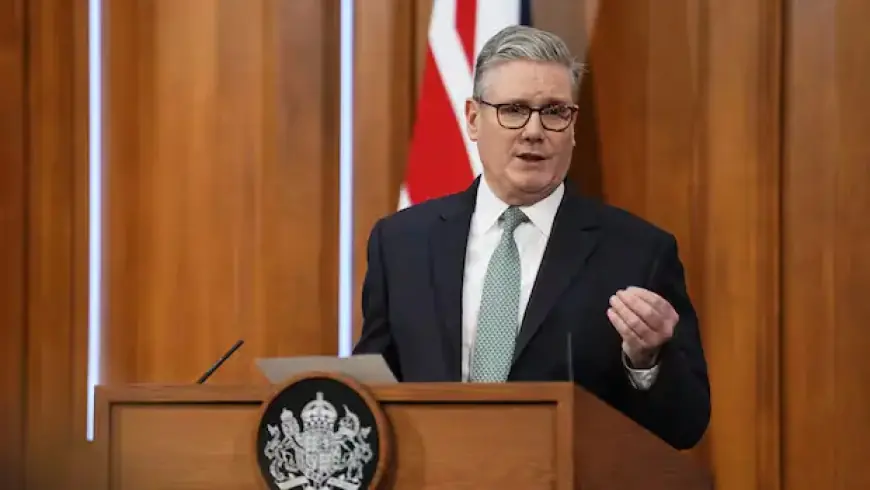
On Monday, British Prime Minister Keir Starmer addressed the media in London. He expressed his intention to utilize “the full strength of government” to counteract Trump’s aggressive tariff strategy. Starmer emphasized the longstanding alliance between the U.S. and the UK, advocating for a diplomatic resolution over military actions regarding Greenland.
Starmer’s remarks followed a conversation with Trump in which he directly communicated his disapproval of the tariff threats. He noted that military personnel deployed in Greenland are there to assess risks associated with Russia.
Trump’s Justification for Tariffs
Trump has linked his tariff threats to his insistence on acquiring Greenland, a territory currently under Danish sovereignty. This assertion of interest appears to be influenced by discussions around military strategy and geopolitical positioning in the Arctic region.
Trump expressed frustration over not receiving the Nobel Peace Prize, claiming it diminishes his obligation to promote peace. His message to Norwegian Prime Minister Jonas Gahr Støre outlined grievances over perceived slights regarding the Nobel Prize and reiterated his demand for Greenland.
Geopolitical Considerations
The strategic importance of Greenland has become increasingly relevant due to climate change, which is opening new trade routes to Asia and offering access to untapped mineral resources. The U.S. administration’s position has stirred concerns among European leaders and is viewed as a threat to NATO’s stability.
Reactions from Allies and Analysts
Many officials, including some from Trump’s own party, have voiced their apprehensions about the implications of these tariff threats. Senate Minority Leader Mitch McConnell cautioned that any attempt to annex Greenland could irreparably damage relationships with U.S. allies.
European officials have reacted strongly. Jordan Bardella, the leader of France’s National Rally party, described Trump’s actions as “commercial blackmail” and urged the EU to reconsider its tariff agreements with the U.S.
As the EU seeks to address these challenges, discussions are also taking place among national security advisers during the World Economic Forum in Davos, Switzerland, focusing on the broader implications of the Greenland situation.