

























Dhs Secretary Kristi Noem Faces Sharp Questioning Over ‘Domestic Terrorism’ Labels and Staffing

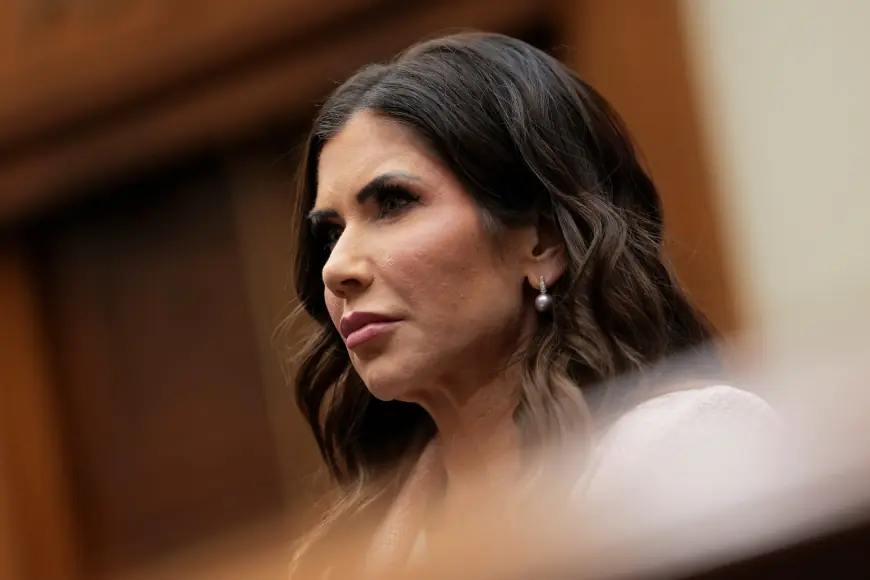
Homeland Security Secretary Kristi Noem spent two days answering forceful questions from lawmakers about the department’s immigration enforcement, staffing choices and public characterizations of two recent deaths. The hearings put a spotlight on dhs judgment calls and operational practices at a moment when Congress remains divided over full funding for the agency.
Dhs testimony on 'domestic terrorism' labels
Noem repeatedly declined to withdraw or fully retract language she used to describe two Americans killed by federal agents in Minneapolis, identifying them in public testimony as involved in what she said appeared to be an incident of domestic terrorism. The two victims were named in testimony as Alex Pretti, an intensive care nurse, and Renee Good, described as a wife and mother of three. Noem emphasized that the investigation is ongoing, and also explained that her comments reflected what she was told by agents on the ground during what she described as a chaotic situation.
Her refusal to step back from the label drew immediate pushback from lawmakers who said such characterizations carry enormous moral and political weight when made before charges or evidence are presented in court. The acting director of Immigration and Customs Enforcement told senators last month that he had seen no evidence to support the terrorism claims, testimony that lawmakers referenced during questioning. The consequence has been heightened congressional scrutiny of when preliminary field reports should shape public statements and when they should yield to the legal process.
Corey Lewandowski, luxury jets and the 130-day staffing question
The second day of testimony turned sharply personal as members of the House Oversight Committee pressed Noem on the role of Corey Lewandowski, who serves as a special adviser to the department. Representative Sydney Kalmager-Dove pressed Noem about the nature of Lewandowski’s role, noting that his appointment as a special government employee has extended well beyond an allowed 130-day period cited during the hearing. Both Noem and Lewandowski denied reports alleging a personal relationship between them; Noem called questions about their private conduct "tabloid garbage" as she rebuked members who raised the issue.
Representative Jamie Raskin used a different line of attack, criticizing what he described as entitlement and arrogance tied to agency travel. Noem had defended the use of so-called luxury government jets one day prior during Senate testimony, saying the aircraft were used for executive travel and for mass deportations. Raskin recounted an episode involving a so-called "blankie" that, he said, resulted in a special government employee pushing to have a pilot removed—an anecdote lawmakers used to question judgment and the department’s stewardship of resources.
The questioning linked operational choices and personnel decisions to broader concerns about oversight. Members pressed whether the extended role of a special government employee, the use of high-cost travel, and public characterizations of lethal incidents were symptoms of weakened internal controls—issues that could affect congressional willingness to provide full funding for the sprawling agency.
What makes this notable is that the exchanges combined questions of legal process, personnel limits and public messaging: a refusal to retract a serious label fed concern about pretrial accusation, while alleged management lapses and extended temporary appointments raised accountability questions. The timing matters because these hearings came as Congress remains deadlocked over how to proceed with full agency funding, amplifying the stakes of each contested disclosure and justification.
Lawmakers pressed for clearer lines between preliminary field reports and the legal standards that follow accusation—emphasizing that accusation should trigger formal investigative and prosecutorial steps rather than substitute for them. Noem defended her statements as reflecting immediate information from agents and defended department policies on travel and enforcement in the same testimony sequence, but the exchanges left oversight, staffing limits and the public use of serious labels squarely on the table for further congressional review.