
























Explore Madagascar’s Avenue of Baobabs: A Stunning Natural Monument

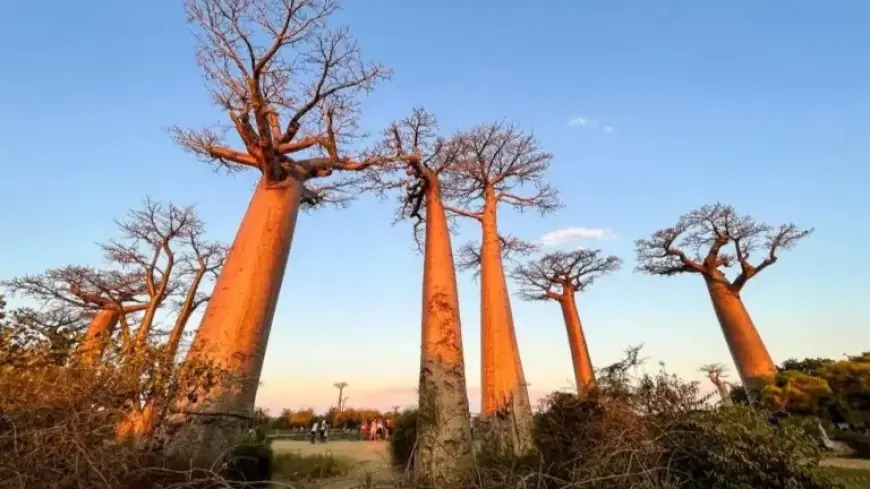
The Avenue of the Baobabs is a breathtaking natural wonder located in Menabe, Madagascar. This iconic avenue is renowned for its striking baobab trees, specifically the Grandidier’s baobab (Adansonia grandidieri), which stands as the hallmark of Madagascar’s extraordinary biodiversity. Once part of a lush tropical forest, these trees now serve as a vital reminder of the island’s rich ecological heritage.
About the Avenue of the Baobabs
This unpaved road connects Morondava and Belo Tsiribihina along Madagascar’s west coast. It features approximately 20 to 25 towering Grandidier’s baobabs, creating an enchanting landscape. Beyond this stretch, many more of these magnificent trees are scattered across the nearby rice paddies and meadows, contributing to a striking backdrop.
Significance of Grandidier’s Baobabs
- The Grandidier’s baobab is one of six endemic baobab species in Madagascar.
- These trees can reach heights of around 80 feet (24 meters) and widths of approximately 10 feet (3 meters).
- The largest recorded baobab measured 98 feet (30 meters) tall with a diameter of 36 feet (11 meters).
- Baobabs are known for their ability to store water in their cells, helping them thrive despite Madagascar’s varying climate.
Ecological and Cultural Importance
Baobabs evolved in Madagascar between 41 million and 21 million years ago. While most species reside on the island, others exist in Africa and Australia. The local name “renala,” meaning “mother of the forest,” highlights the cultural significance of these trees.
Despite their resilience, baobabs face several threats. Illegal logging, wildfires, and the effects of climate change pose significant risks. These majestic trees are deeply woven into Malagasy culture and inspire local legends, such as the tale of the “Baobab Amoureux,” which tells the story of two intertwined trees representing star-crossed lovers.
Conservation and Future
Efforts to protect the Avenue of the Baobabs are crucial for the sustainability of this unique ecosystem. Conservation initiatives aim to mitigate the threats posed by human activity and environmental changes. By preserving these natural monuments, we can ensure that future generations will continue to marvel at the beauty of Madagascar’s baobabs and learn about their ecological significance.
The Avenue of the Baobabs stands as a testament to Madagascar’s rich natural history and cultural narratives. Visiting this stunning monument offers not just a visual wonder but an opportunity to reflect on the importance of conservation in safeguarding unique species and their habitats.