AI Data Centers Impact on Electrical Grid Explained

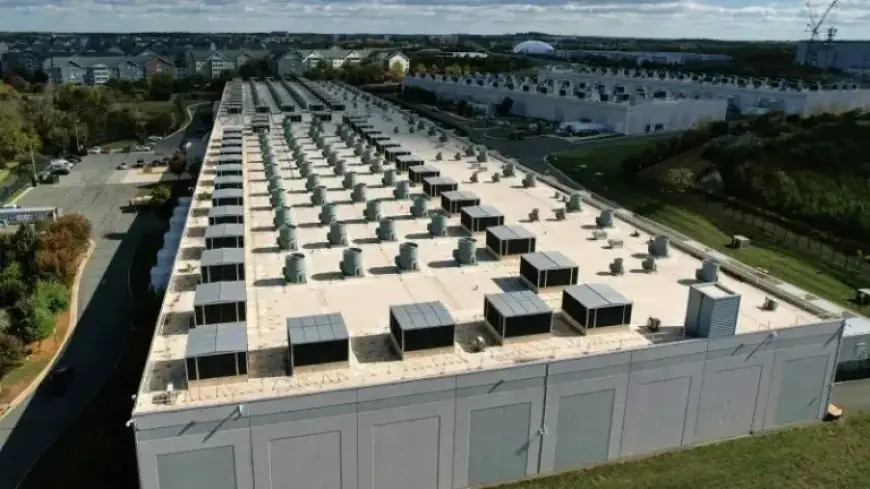
As artificial intelligence continues to evolve, the demand for data centers skyrockets. However, this growth presents significant challenges for the United States’ electrical grid. With an aging infrastructure, the country may not be prepared for the surge in energy consumption associated with AI advancements.
Impact of AI Data Centers on the Electrical Grid
The increasing concentration of data centers poses a threat to the already strained electrical grid in America. Tech giants are racing to establish data centers to lead the AI revolution. As a result, households are facing rising costs associated with increased electricity demand.
Current Status of the Electrical Infrastructure
- The U.S. electrical grid is primarily managed by PJM, the largest operator.
- Recent agreements between federal officials and state governors aim to address rising electricity costs.
- PJM has not been notified about emergency plans to auction power due to these surging costs.
Data Center Growth in the U.S.
Virginia currently holds the title for the largest data center cluster globally, with 561 facilities across 23 markets, as reported by Data Center Map. Other locations like Denver, Los Angeles, and Pennsylvania are also expected to see new data centers emerge.
Investment Trends Among Tech Giants
- Meta reported $17 billion in capital expenditures for data centers in mid-2025.
- Microsoft’s capital outlay reached $24.2 billion in the previous June.
- Amazon is investing $15 billion for data centers in Northern Indiana, building on an $11 billion investment from 2024.
- Bank of America estimated a $40 billion annual expenditure on data center construction as of June.
Rising Electricity Rates
Residential electricity costs have risen by 5.2% compared to the previous year, according to the Energy Information Administration. In some areas near data centers, electricity prices surged by as much as 267% over the past five years, largely attributed to the growing demand from these facilities.
Future Projections
By 2028, data centers are projected to consume between 6.7% and 12% of U.S. electricity, an increase from 4.4% in 2023. This rising demand places additional strain on an already aging electrical infrastructure, with escalating costs stemming from the distribution system requirements due to the pandemic.
State-Level Responses
- Utility companies are adjusting rates for large-scale data center services to mitigate residential impact.
- Oregon has implemented regulations mandating data centers to compensate for their strain on the grid.
- Microsoft is also proposing to pay higher rates in areas where they establish data centers.
Water Consumption Concerns
Data centers not only consume massive amounts of electricity but also require extensive water for cooling their systems. It is projected that they will need 170% more water by 2030. This increase presents a challenge as the demand for resources heightens.
As the number of data centers expands, the question of sustainability and coexistence with communities becomes paramount. Balancing the needs of tech companies and local households is essential for a harmonious future.