Storm Hunter, Jessica Bouzas Maneiro, Sloane Stephens, Dane Sweeny and Stefano Travaglia: Australian Open 2026 Storylines Converge on a Busy Week in Melbourne

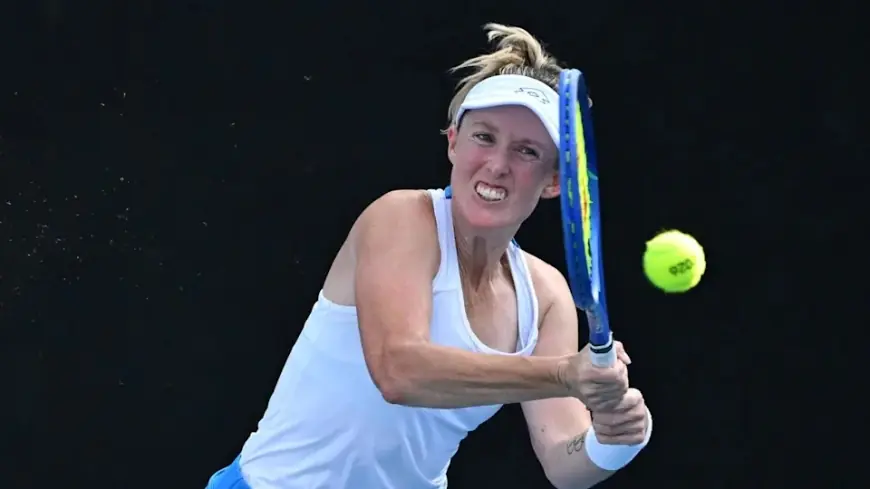
The Australian Open isn’t only about the top seeds. Early in 2026, several very different careers are colliding in the same tournament window: Storm Hunter stepping into a high-pressure singles moment against Jessica Bouzas Maneiro, Sloane Stephens pushing through a reset phase after a difficult stretch, and Australian qualifier Dane Sweeny turning a breakthrough run into a main-draw opportunity after edging past Stefano Travaglia.
Taken together, these names capture what the first week in Melbourne is really about: form that changes quickly, margins that are tiny, and the way one match can reshape a season.
Storm Hunter vs Jessica Bouzas Maneiro: a tricky singles test for a proven big-match competitor
Storm Hunter is best known for elite doubles accomplishments and big-stage composure, but her singles appearances carry a specific kind of pressure: she often has less match volume than full-time singles specialists, yet the spotlight can be just as bright. Drawing Jessica Bouzas Maneiro is the kind of matchup that demands instant clarity.
Bouzas Maneiro’s strengths typically show up early: she can absorb pace, redirect cleanly, and extend points until the opponent blinks first. For Hunter, the challenge is not simply “play well,” but “play first.” She needs to protect second-serve patterns, avoid getting pinned deep, and find ways to shorten exchanges before the match becomes a repeatable rally script.
Keys to watch when Storm Hunter faces Jessica Bouzas Maneiro:
-
First-strike intent: Hunter’s best chance comes from stepping in, especially on shorter balls, and refusing to let the match settle.
-
Return depth under pressure: Bouzas Maneiro thrives when returns land deep and neutralize the server’s initiative.
-
Scoreboard management: long, even games can tilt on a couple of points; whoever steadies at deuce moments often controls the narrative.
Jessica Bouzas Maneiro: why she keeps showing up as a “danger” name in early rounds
At this stage of her career, Jessica Bouzas Maneiro has become the sort of opponent seeds and wildcards quietly dread: she doesn’t need a perfect day to compete, and she tends to make matches feel physically and mentally expensive. Her style is built for chaos control, not highlight reels.
What makes Bouzas Maneiro hard to dislodge early in a Slam:
-
She’s comfortable in medium-length exchanges where consistency and shot tolerance decide everything.
-
She doesn’t give away many “free” points once she finds her return rhythm.
-
She can flip momentum fast with a couple of sharp return games, turning a calm match into a scramble.
Against a crowd-backed Australian like Hunter, that steadiness matters. If Bouzas Maneiro holds her nerve through early noise, the pressure often shifts to the home player to keep producing.
Sloane Stephens: the comeback conversation is real again, but it’s still a grind
Sloane Stephens remains one of the most recognizable talents of her generation, yet the current chapter is less about ranking snapshots and more about rebuilding a weekly rhythm. In recent days she’s shown signs of traction again, breaking a long winless run and stacking matches in qualifying.
That matters because Stephens has always been at her most dangerous when she’s playing with freedom rather than searching. The indicators that her level is returning are subtle but meaningful:
-
Movement patterns: when Stephens is confident, her defense-to-offense transitions happen sooner.
-
Serve tolerance: she can survive shaky service spells if she’s returning well and extending points.
-
Match repetition: stringing together wins, even in qualifying, helps restore the instinctive decision-making that separates her at her best.
The next hurdle is sustaining that resurgence beyond one or two matches. For Stephens, momentum is built less by statements and more by routine: compete, recover, repeat.
Dane Sweeny vs Stefano Travaglia: the tightest matches are the ones that change careers
If you want a pure “January tennis” story, Dane Sweeny provides it. The Australian pushed through qualifying pressure and earned a signature win over Stefano Travaglia in a match defined by nerve and narrow margins, with both sets decided in tiebreaks.
Why this result matters for Sweeny:
-
Tiebreak wins are identity wins. They signal composure when the match is reduced to a handful of points.
-
Qualifying is its own tournament. Surviving it often produces sharper match readiness than a comfortable early-round win.
-
Home conditions amplify everything. The upside is energy; the downside is expectation. Winning close matches is how players convert that noise into fuel.
For Travaglia, it’s the harsh flip side of qualifying: one or two points can separate “main draw” from “pack your bags,” even when the level is high.
What happens next: why these five names are worth tracking this week
The connective tissue here is opportunity. Storm Hunter gets a chance to translate big-stage instincts into singles execution. Jessica Bouzas Maneiro gets a platform to validate her rise against a prominent Australian. Sloane Stephens is chasing continuity after a reset stretch. Dane Sweeny is trying to turn a breakthrough qualifying run into main-draw belief. Stefano Travaglia is fighting the veteran battle of staying dangerous in the tightest match formats.
Early-round tennis is often sold as “warm-up week for the stars.” It isn’t. For players like these, it’s the week where seasons change direction—sometimes on a single tiebreak point, sometimes on whether they can control the very first service game.