























Peaky Blinders Movie Premiere Becomes a Fan Triumph — What the Return of Tommy Shelby Means for Viewers

Why it matters now: For long-time viewers, the peaky blinders movie is not just a continuation—it's a tonal and emotional reset that foregrounds wartime stakes and a family schism while turning a hometown premiere into a declaration of fandom. The premiere’s ovations and the filmmakers’ talk of huge global reach frame this release as a moment when devoted audiences, casual newcomers and the series’ creative team all confront what the franchise will be on a bigger stage.
How fans and local audiences feel the impact of the Peaky Blinders Movie
The premiere night in Birmingham played like a celebration as much as a screening: sustained applause, walkabouts in the city square and repeated public praise for the writer and lead actor. That reaction signals two immediate facts for viewers — existing fans get a film that centers Tommy Shelby in a wartime story with personal stakes, and the production team expects the film to reach a far larger, international audience than the original TV run.
Here’s the part that matters for fans: the film leans into what made the series culturally sticky—its lead’s moral complexity and the show’s gritty atmosphere—while explicitly widening the scope to a homefront wartime conflict and a generational clash inside the gang. Long-time followers will encounter familiar tones and characters presented with the scale of a cinematic battle; newcomers will see a pared-back entry point focused on one man returning to fix a dangerous new status quo.
What’s easy to miss is that the premiere’s hometown energy isn’t only nostalgia. It functions as a cultural signal: the creative team and the local audience view this as more than a film launch, treating it as a reclamation of place and identity on a much bigger platform than the TV series once occupied.
Film snapshot and release plan
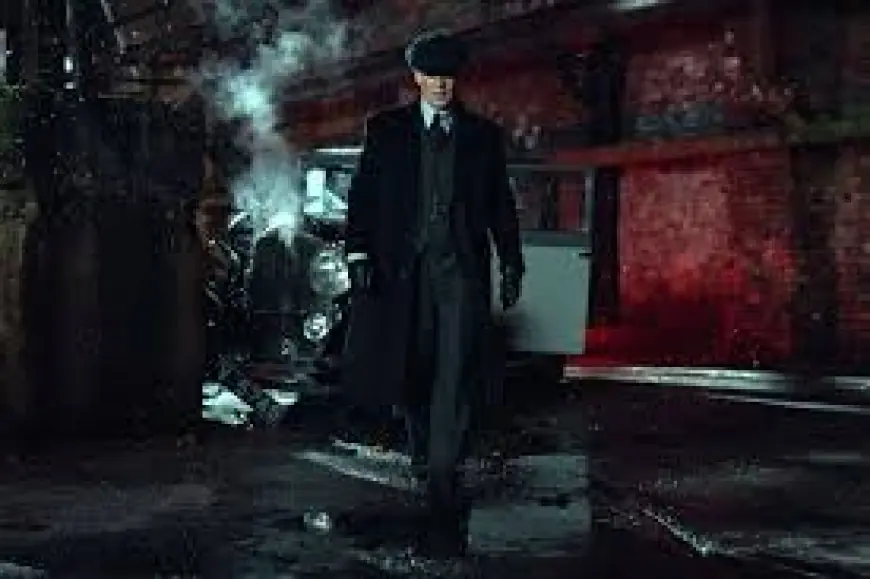
The film brings back the franchise’s central figure, portraying him as a haunted chieftain living apart from the city he once ruled. The story is set against wartime tensions and pins the plot on a new younger gang leader who has made dangerous alliances, forcing the veteran protagonist to return and confront a betrayal that threatens both family and country. The production emphasizes mud, blood and large-scale action, pairing intimate family drama with homefront wartime sequences.
- Setting on screen: a wartime Britain narrative centered on the lead character’s return to the city.
- Key cast and creative roles referenced in early coverage: the lead actor reprises the central role; the writer and director are publicly celebrated at the premiere.
- Release window: the film is planned for theatrical release first, followed by availability on a global streaming service later in the month; schedule elements are subject to change.
The film’s antagonist threads include a younger, impulsive heir running the gang with a dangerous external collaborator, raising the stakes beyond local crime to national jeopardy. Stylistically it’s described as muscular and confident—more grand-scale war film than small-screen crime yarn, while still steeped in the series’ trademark atmosphere.
Fans should note the tonal choice to make the lead decidedly anti-Nazi in this story, placing the narrative explicitly on the side of resisting wartime fascism; that repositioning functions as both a moral anchor and a way to expand the protagonist’s heroic contours for wider audiences.
Micro-timeline (verified points from early coverage):
- The TV series ran through a multi-series arc over several years and built a dedicated fanbase.
- The film’s story is set in 1940, during Britain’s wartime period.
- Theatrical release begins in early March in multiple territories, followed by streaming availability later that month; exact dates are noted in advance but could evolve.
The real question now is how viewers’ attachment to the original arc will shape their reception: will the cinematic scale and explicit wartime framing feel like an earned expansion or a sentimental re-canonisation of the lead character? Early audience reaction from the premiere suggests strong enthusiasm, but broader response will depend on whether the film balances spectacle with the intimate character work that made the series resonate.
Stakeholders immediately affected include long-term fans, who will judge fidelity to tone and character; new viewers encountering the story for the first time in film form; and the city where the premiere became a moment of civic pride. For the creative team, the film’s reception will determine whether the franchise comfortably translates to a larger, more global platform.
As the release window opens, recent updates indicate distribution will include both theatrical dates and a later streaming window; details may evolve.