
























How Adam Mckay’s Pay Gesture Changed Christina Applegate’s Anchorman Experience — and Why It Still Matters

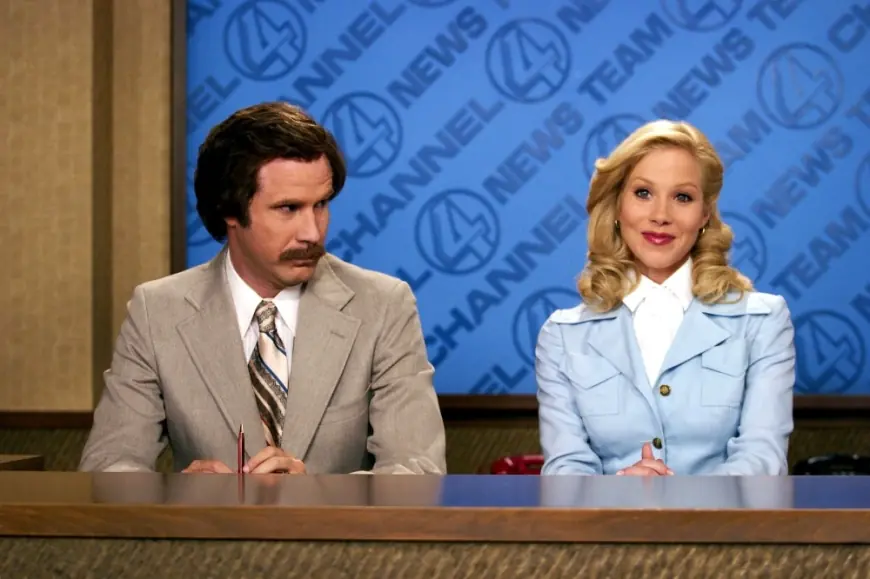
Who felt the impact first was Christina Applegate: when the studio’s initial pay offer for her to play Veronica Corningstone landed well below those of her male co-stars, Will Ferrell and adam mckay stepped in and handed her additional money from their own salaries. That intervention didn’t just fill a gap — Applegate describes it as pivotal to a career moment that taught her improv, opened opportunities and became “invaluable” to her trajectory.
Immediate impact on Applegate and the Anchorman ensemble, and what it meant for her work
Here’s the part that matters: the extra pay made it possible for Applegate to accept the role she later called one of the best experiences of her life. She said the original offer was “a little offensive” and that she refused to accept it because she knew her worth; the on-set generosity from Ferrell and Adam McKay changed the deal. The experience also became a hands-on education in improvisation — something Applegate had not done before — with cast members like Steve Carell playing a direct role in her learning, and McKay credited with developing a working approach for the group.
It's easy to overlook, but Applegate framed the moment not only as a financial correction but as a formative creative opportunity: she described the ensemble’s process as a masterclass she hadn’t paid for but received, and she called that time “magic” and invaluable to her career.
What actually happened on the Anchorman project (embedded details)
The film centers on Will Ferrell’s Ron Burgundy and Applegate’s Veronica Corningstone; the supporting cast included Steve Carell, Paul Rudd, David Koechner and Fred Willard. Applegate later reunited with Ferrell to mark the movie’s twentieth anniversary. The picture spawned a sequel released in 2013 that also featured Applegate, and the original film was released on July 9, 2004, earning $90 million worldwide.
- Initial pay offer: Applegate called it “a little offensive” and declined.
- Adjustment: Ferrell and adam mckay contributed portions of their own salaries so Applegate could join the cast.
- Creative payoff: Applegate learned improv on the job from the ensemble; she described the process as a transformative lesson.
There were also production twists: the first test screening returned a middling score, prompting reshoots funded by the studio and guided in part by another filmmaker who helped steady the process; those reshoots included new sequences and an entirely new ending.
Micro timeline: 2004 — original release; 2013 — sequel that included Applegate; 2024 — cast reunion marking two decades since the film’s debut.
For readers tracking the ripple effects, one immediate takeaway is about career leverage: the financial top-up enabled Applegate to access a collaborative environment that she credits with long-term value. If you’re wondering why this keeps coming up, the real question now is how singular acts by colleagues intersect with creative opportunity — and how those moments are remembered by the performers directly involved.
Key contextual note: Applegate discussed the pay situation while promoting her memoir and described both the initial low offer and the subsequent contributions from her co-stars. She called the result a career-defining experience.
What’s easy to miss is how Applegate framed the move: she emphasized not just gratitude for the money but the teaching that followed. That emphasis matters because it shifts the focus from a single transaction to a learning moment that influenced her later work.
Possible next signals that would clarify the longer-term implications include more reflections from other cast members about the rehearsal and improvisation process, and any public discussion about how that production choice shaped casting or pay decisions in subsequent projects. Recent updates indicate the main details shared here are those Applegate recounted from her memoir promotion; further details may evolve as more recollections surface.