





















NFL Reacts to Candid Apology from Former Steelers Coach Mike Tomlin

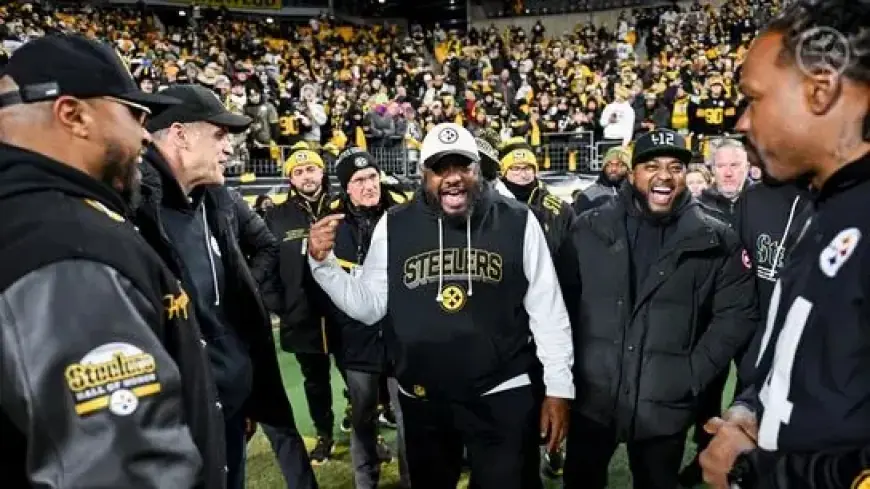
The departure of Mike Tomlin from the Pittsburgh Steelers marks a significant shift in the franchise’s leadership dynamics. At 53 years old, Tomlin leaves behind a complex legacy that has drawn mixed reactions from fans and analysts alike.
NFL Reacts to Candid Apology from Former Steelers Coach Mike Tomlin
Mike Tomlin coached the Steelers for 19 seasons. His tenure is characterized by both noteworthy achievements and critical shortcomings. While he successfully led the team to a Super Bowl victory early in his career, many speculate about the impact of the roster inherited from former coach Bill Cowher and quarterback Ben Roethlisberger.
Tomlin’s Coaching Record and Legacy
Tomlin set a remarkable standard by never experiencing a losing season. This consistency highlights his strong leadership and ability to manage changing team dynamics. Despite this success, he faced criticism for not securing a playoff victory since the 2016 season, creating a contrast between regular-season relevance and postseason failure.
- Coached for 19 seasons
- Never had a losing season
- Last playoff win in 2016
Former NFL analyst Emmanuel Acho recently addressed Tomlin’s coaching record during a conversation with ex-receiver T.J. Houshmandzadeh. His discussion brought forth critical points regarding Tomlin’s inability to effectively evaluate and develop quarterbacks, a key aspect of a successful coaching career in the NFL.
Quarterback Development Challenges
Acho specified that Tomlin’s quarterback management has often not met expectations. Notably, he remarked, “Mike Tomlin has never shown you the ability to evaluate or develop a quarterback.” Examples cited include:
- Mason Rudolph
- Landry Jones
- Devlin Duck Hodges
- Josh Dobbs
- Justin Fields
While some of these quarterbacks were viewed as projects rather than franchise players, Ache’s critique underscores a significant area for the former coach.
Veteran Acquisitions and Adjustments
In response to personnel challenges, Tomlin often opted for veteran players. This strategy garnered mixed results, particularly regarding his ability to maximize talent. The case of Russell Wilson stands out, as the quarterback struggled massively with the Denver Broncos. Tomlin’s effectiveness in this light becomes an important aspect of evaluating his overall impact.
Ultimately, Mike Tomlin’s legacy with the Pittsburgh Steelers remains complicated. While his track record indicates a knack for consistent performance, questions about his postseason success and quarterback development persist in discussions among fans and analysts alike.
As the franchise moves forward, it will be fascinating to see how they build upon Tomlin’s foundation and reshape their future.