Are Android Accessories Gaining the Attention They Deserve?

Android accessories are evolving, aiming to capture the attention of users who feel overshadowed by the iPhone-centric market. Historically, Android users have struggled to find quality accessories, especially when it comes to lesser-known devices. However, this trend appears to be changing, as brands begin to recognize the demand in this space.
Current Landscape of Android Accessories
The accessory market is filled with staples such as cases, screen protectors, and battery banks. These basic items are widely available for most smartphones regardless of the brand. Yet, for unique Android models, the selection can be limited.
- Major brands like Spigen, Tudia, and Ringke offer cases for popular devices.
- Options for niche Android phones, like the Nothing Phone (3), may be hard to find.
- Local retailers often feature a predominance of iPhone accessories over those for Android devices.
Challenges Beyond Smartphones
For Android tablets and smartwatches, the first-party accessory market remains sparse. Third-party options are often less extensive than those available for Apple’s products.
- Third-party accessories for Android smartwatches are limited, with notable exceptions like the Galaxy Watch.
- Google has produced some compatible bands for the Pixel Watch, but choices are still restricted.
Emerging Solutions and New Products
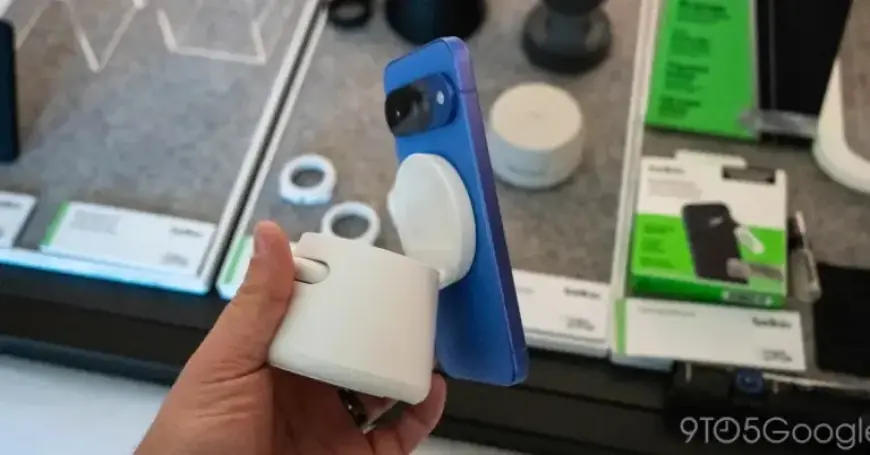
Recent advancements indicate a shift in the market. Belkin has introduced a new charging dock designed to support multiple Android devices, including the Galaxy Watch and Pixel Watch. This innovation reflects a growing recognition of the need for diverse accessory options in the Android ecosystem.
- The Belkin charging dock features a pop-out ring that accommodates various charging pucks for Android smartwatches.
- While the dock does not support the Pixel Watch 4, future compatibility updates are anticipated.
Industry Trends and Consumer Sentiment
Brands traditionally focused on Apple, such as Belkin and Nomad, are beginning to invest in Android solutions. This shift may indicate a broader trend toward inclusivity in the accessory market, driven by standardization around technologies like Qi2.
Although Android accessories may not achieve the same level of popularity as their Apple counterparts, the progress made is promising. Consumers are encouraged by this positive change, hoping for continued improvement in accessory availability and quality.
Conclusion
The changing dynamics in the Android accessories market reveal a growing acknowledgment of user needs. While challenges remain, especially for niche devices, the recent advancements signal that brands are increasingly interested in supporting Android users.