Trump Surprised by China’s Electric Vehicle Advancements

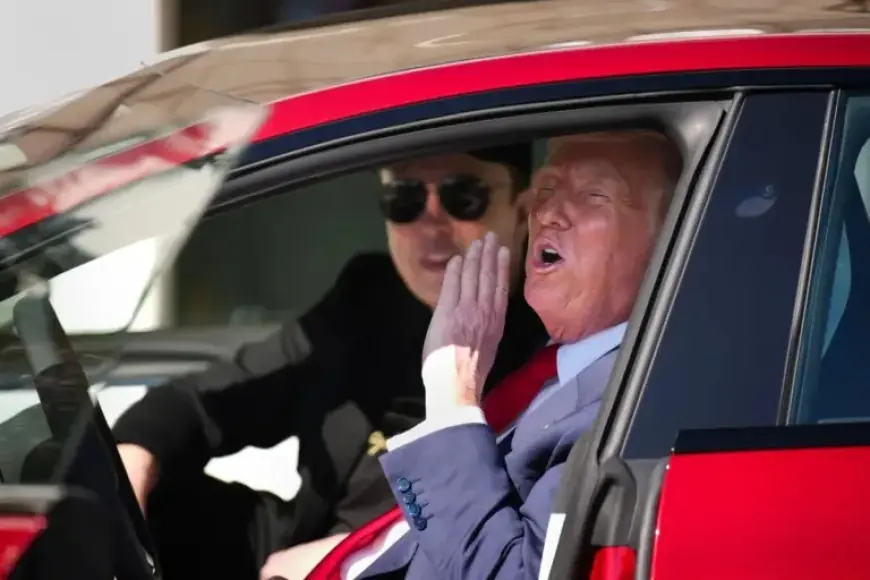
President Donald Trump’s recent statements on China’s electric vehicle (EV) market have sparked significant reactions across North America. With Canada announcing a reduction in tariffs on imported Chinese EVs, the dynamics of trade and automotive manufacturing are shifting.
Canada Lowers Tariffs on Chinese Electric Vehicles
In a noteworthy move, Canada agreed to decrease tariffs on 49,000 Chinese-made electric cars annually. Effective from early 2024, the new tariff rate will be set at 6.1 percent. This decision aims to foster trade relations with China while simultaneously benefiting Canadian consumers.
Responses from Political Leaders
- Prime Minister Mark Carney described this adjustment as adapting to “new global realities.”
- Trump previously indicated that he would welcome Chinese auto manufacturers who wish to establish operations in the U.S.
While the U.S. maintains a staggering 100 percent tariff on Chinese EVs, Canada appears to be taking a different approach. This reduction is part of a broader strategy to decrease dependency on U.S. trade.
Younger Consumers Open to Chinese Brands
Recent surveys show a shift in consumer attitudes towards Chinese automakers. A January 12 poll by AutoPacific revealed that 49 percent of Americans aged 18-44 would consider purchasing a Chinese-made car. This trend suggests that younger buyers are more receptive to market changes.
Domestic Political Divides
- Republican Senator Josh Hawley has expressed concerns about the increasing popularity of Chinese EVs and called for stricter tariffs.
- On the contrary, Michigan’s Democratic Governor Gretchen Whitmer warned against isolationist policies.
The significance of these political discussions cannot be understated as they influence the future of EV trade and international relations.
Challenges in the U.S. Market
Despite Trump’s encouragement, the U.S. EV market has been slowing. High prices have contributed to diminished sales, whereas companies like BYD from China continue to prove their ability to provide affordable electric vehicles.
Global Trade Trends
- The EU is contemplating price floors to ensure a stable flow of vehicles rather than imposing further tariffs.
- The U.K. has no plans to adopt tariffs similar to those introduced in the EU.
As countries like Canada embrace Chinese EVs, the U.S. risks falling behind. With potential avenues for these vehicles to enter the North American market through Canada, the conversations surrounding tariffs and trade policies are becoming increasingly critical.
In summary, Trump’s call for cooperation with China contrasts sharply with U.S. tariff policies. If these trends persist, Chinese electric vehicles will find pathways to North American consumers, especially as political and economic landscapes evolve. The dynamics within the automotive sector are changing, with implications for competitors in the industry.