Climate Change Reduces Potential Winter Olympics Sites in Europe

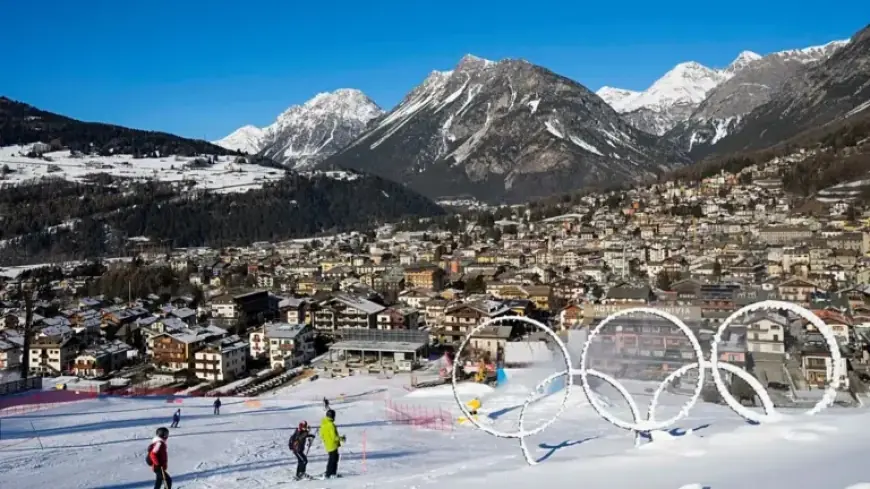
As the global climate crisis intensifies, its effects are increasingly evident in winter sports. Upcoming Olympic Games in Milan and Cortina, Italy, highlight the urgent need for venues to adapt.
Climate Change Impact on Winter Olympic Sites
French biathlete Maya Cloetens, while training near Grenoble, reflects on the changing climate. The city, which hosted the 1968 Winter Olympics, now experiences shorter, milder winters and diminished snowfall. Cloetens observes, “In just 15 years, the snow has completely changed.”
Decreasing Viability of Host Cities
Research indicates a worrying trend for future Winter Olympics. Studies from the University of Waterloo and the University of Innsbruck reveal that out of 93 potential mountain locations, only 52 will likely maintain adequate snowfall and cold temperatures by the 2050s. By the 2080s, that number could dwindle to as few as 30.
- 93 mountain locations currently viable.
- 52 suitable by the 2050s.
- Potentially 30 by the 2080s.
The International Olympic Committee (IOC), recognizing this trend, is considering rotating venues among a limited number of reliable sites. They are also discussing the idea of scheduling events earlier due to warming conditions.
The Paralympic Games at Risk
The situation is even more critical for the Paralympic Winter Games. Reports suggest that starting the games three weeks earlier could nearly double the number of reliable locations. However, this solution assumes the continued advancement of snowmaking technology.
Future Snowmaking and Environmental Concerns
Artificial snow has been part of Olympic history since the 1980 Winter Games in Lake Placid. The reliance on manufactured snow has escalated, especially in recent Olympics. Beijing 2022 depended heavily on snowmaking to ensure adequate coverage.
- Cortina 1956: No manufactured snow.
- Beijing 2022: Nearly complete reliance on snowmaking.
For this year’s Olympics, planners propose producing approximately 2.4 million cubic meters of artificial snow. However, concerns arise about the environmental impact of snowmaking, including the significant energy requirements and water usage.
Challenges of Water Supply
In preparation for Milan-Cortina, organizers estimate needing 946 million liters of water, equivalent to nearly 380 Olympic-sized swimming pools. As climate change worsens, maintaining this water supply becomes increasingly challenging.
Experts emphasize that reliance on snowmaking has limits. Traditional equipment necessitates cold temperatures, and Europe is experiencing rapid warming. This creates a complex set of problems for future winter sports.
IOC’s Commitment to Sustainability
Recognizing the contribution of large-scale events to climate change, the IOC is committed to minimizing environmental impact. This includes reducing electricity and water consumption and possibly limiting attendance at future games.
With the French Alps selected for the 2030 Winter Olympics and Salt Lake City set for 2034, the IOC is looking to host more sustainable games. They emphasize the need for existing infrastructure and prioritizing environmental standards in choosing host locations.
As Diana Bianchedi of the organizing committee points out, the current moment demands a shift toward sustainable practices. The commitment to change is crucial for the future of winter sports amid the realities of climate change.