Wall Street Banks Tested by Trump’s Call for Credit Card Rate Cap

U.S. banks are navigating a significant challenge following President Donald Trump’s recent proposal to cap credit card interest rates. Announced on January 10, Trump called for a 10% cap on rates effective January 20, raising concerns within the finance industry. Banks warn this plan could limit consumers’ access to credit and negatively impact their operations.
Understanding the Cap on Credit Card Rates
The proposed cap would represent a drastic shift in credit card policies. The White House has not yet clarified how this initiative would be enforced, leading to confusion among financial institutions. Regulatory experts indicate that such a cap would require congressional legislation, which has historically faced opposition.
Industry Reactions and Concerns
- Trump’s announcement has led to volatility in bank stocks.
- Banks are contemplating potential responses, including developing new credit products with lower interest rates.
- Financial analysts suggest that any new offerings may come with fewer benefits to offset the lower rates.
Kevin Hassett, an economic adviser to the White House, mentioned the possibility of banks voluntarily creating “Trump cards” instead of being compelled by law. This suggestion aims to facilitate a smoother transition while maintaining the profitability of credit card products.
Implications for Borrowers and Credit Access
The administration emphasizes addressing the affordability crisis that it attributes to current policies. While banks aim to comply with the president’s expectations, they remain apprehensive about potential impacts on credit access. Some analysts predict that banks might experiment with low-interest, no-frills cards, or reduce rewards tied to new products.
Potential Solutions and Market Dynamics
- Banks may introduce new cards with more straightforward features that align with the proposed rates.
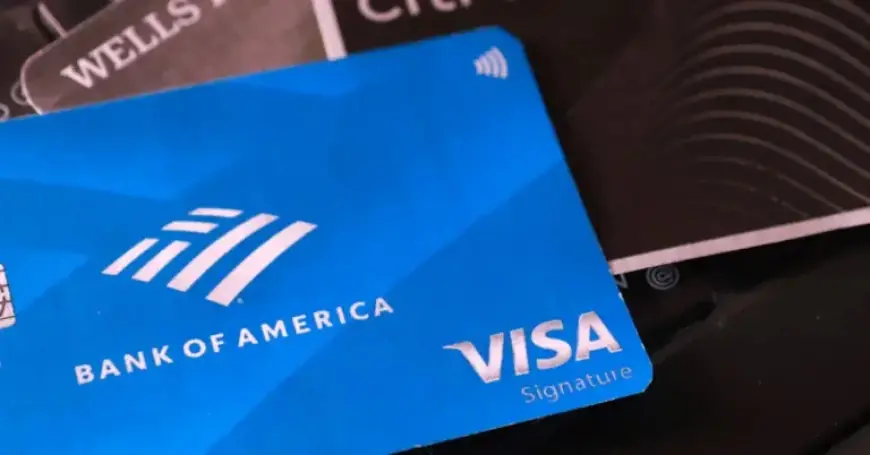
- Companies like Bank of America are already offering similar options.
- The finance industry anticipates increased advocacy efforts to mitigate potential negative consequences from the cap.
As discussions continue, some banking analysts warn of potential market volatility. The finance sector remains on high alert as it awaits further guidance on how to effectively address the president’s request. Without clear directives, banks face both regulatory and market uncertainties, which could shape their strategies in the near future.