AI Revolutionizes the Future of Retail: A Vision Unveiled

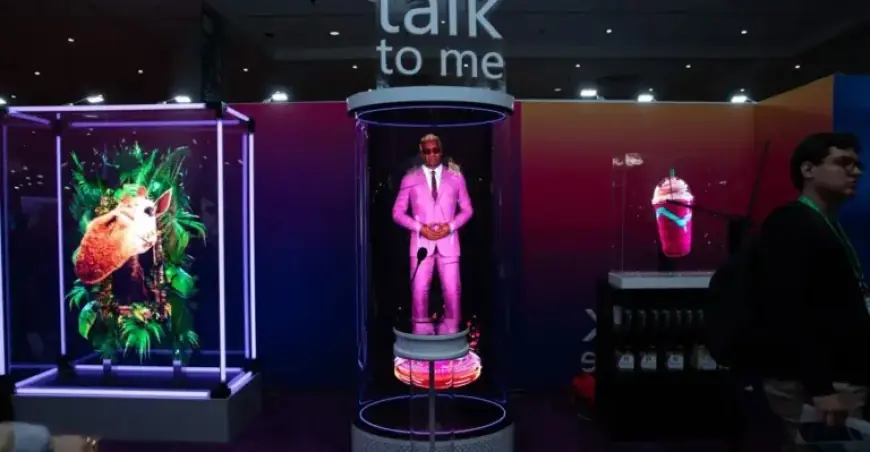
Recent innovations in artificial intelligence (AI) are reshaping the retail landscape, as showcased at the National Retail Federation’s annual trade show in January. Major companies, including Google and Alibaba, gathered in New York City to unveil cutting-edge technologies designed to enhance shopping experiences.
AI Revolutionizing the Future of Retail
Among the standout exhibits was a hologram named “Mike,” created by Hypervsn and powered by ChatGPT. This lifelike figure interacts with audiences, serving as an icebreaker in retail environments. Holograms like Mike exemplify how brands aim to engage customers through technology, sparking conversations and inviting deeper interactions.
Key Competitors and Technologies
- Google: Announced the Universal Commerce Protocol (UCP), allowing seamless integration of AI in retail.
- Shopify: Claimed that a “commerce renaissance is here,” emphasizing the rise of AI in retail.
- Papa Johns: Integrating AI-assisted ordering systems, enabling chatbots to suggest menu items based on user preferences.
These technological breakthroughs signal a growing trend to incorporate AI in every aspect of shopping, from product design to customer interaction. Retailers are increasingly utilizing AI to enhance user experience, streamline operations, and drive sales.
AI in Consumer Shopping
AI tools are now prevalent in online and in-store environments. For instance, Retailers can leverage data analytics to personalize shopping experiences and influence purchasing decisions. Solum, a South Korean firm, specializes in digital displays that engage shoppers in real time, enhancing the in-store experience.
AI-driven monitoring allows retailers to track customer attention and engagement, helping to optimize promotional strategies. However, this reliance on data raises privacy concerns among consumers, especially in Western markets.
The Balance Between Technology and Human Connection
Despite the overwhelming focus on AI, some exhibitors emphasize a return to meaningful, tactile interactions with consumers. Companies like Equapack showcase packaging solutions that prioritize aesthetic appeal and functionality over digital engagement, highlighting a need for authenticity in retail.
The juxtaposition of high-tech solutions like AI chatbots and traditional, human-centric products reflects a tension in the retail industry. While AI promises efficiency and streamlined services, there is an underlying question: what do consumers truly value in their shopping experiences?
Conclusion
The integration of AI in retail is poised to revolutionize how businesses operate and engage with customers. As retailers explore innovative technologies, they must also consider the importance of human connection and authenticity in a rapidly evolving marketplace.