Internet Blackout Plunges Iran Into Uncertainty: What’s Next?

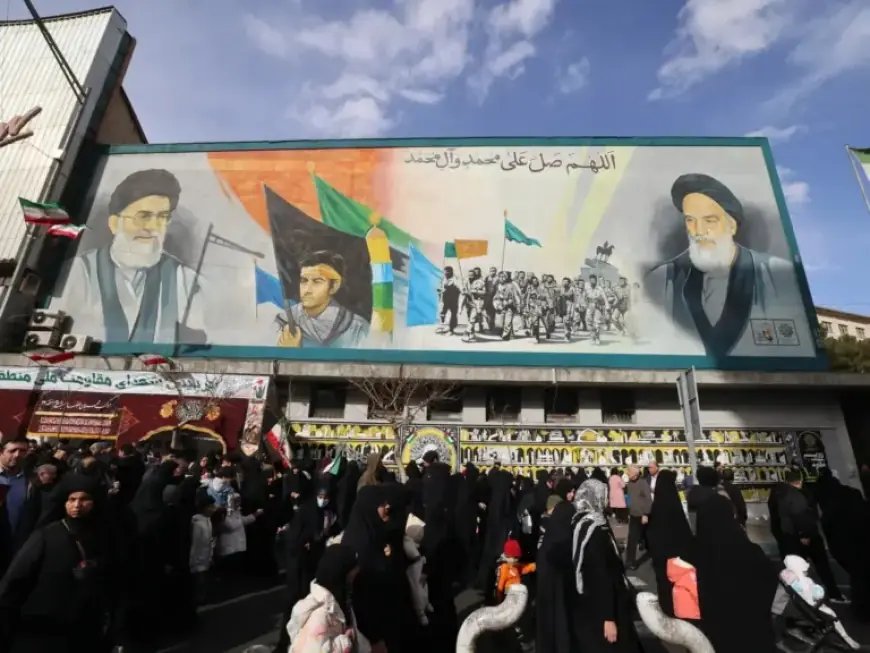
The recent communications blackout in Iran has left most of the nation’s 90 million people isolated from the outside world. This situation escalated following nationwide protests that began in December 2025, which later turned violent.
Timeline of Events Leading to the Internet Blackout
On January 8, 2026, the Iranian government implemented a sudden cutoff of all internet access across its 31 provinces. This action occurred just as mass demonstrations were gaining momentum against the country’s clerical leadership. Initial protests were sparked by rising prices, leading to shop closures in Tehran.
On the first night of the blackout, mobile communications were severed, significantly hindering emergency services. An intranet was introduced after several days to offer access to local content, but it remains uncertain when global internet service will be restored. Although local phone services have resumed, SMS capabilities continue to be disabled.
Casualties and Government Response
The Iranian government has not officially disclosed the death toll from the violent clashes initiated on January 8 and 9. However, the Human Rights Activists News Agency (HRANA) has reported at least 2,615 deaths, a figure the Iranian authorities dispute as exaggerated. Iranian Foreign Minister Abbas Araghchi characterized these reports as part of a disinformation campaign.
- Deaths reported by HRANA: 2,615
- Official Iranian stance: Claims of misinformation
While Iranian officials admit that some civilians, including children, died during the unrest, they attribute the violence to “terrorists” trained by the U.S. and Israel. Meanwhile, the Iranian leadership claims that its own forces have been victims of the protests.
International Reactions and Security Measures
The international community has expressed concern regarding the Iranian government’s crackdown on dissent. At an emergency United Nations Security Council meeting, Iran placed blame for the unrest on foreign powers, alleging that they hijacked peaceful protests rooted in economic tensions.
The silence on the streets of Tehran has been accompanied by an increased security presence. Numerous checkpoints and patrols have been established. The Iranian government has also organized large counter-demonstrations and held public funerals for security personnel killed during the protests.
Future Prospects Amid Ongoing Turmoil
As the situation evolves, President Masoud Pezeshkian addressed the citizens, condemning violent actors and emphasizing economic reforms. He introduced a government subsidy program that provides electronic coupons for essential goods, addressing rampant inflation affecting the public.
The protests reflect deeper frustrations regarding corruption, economic hardship, and social restrictions in Iran. This wave of protests, triggered by economic grievances, escalates concerns about a more profound societal divide and the potential for further unrest.
In summary, Iran remains in a state of uncertainty following the recent protests and communications blackout. The long-term implications for the government and its citizens are still unfolding against a backdrop of unresolved economic challenges and human rights concerns.