

























Silvagni Case Exposes Deeper Issues Amid Daily Public Scrutiny

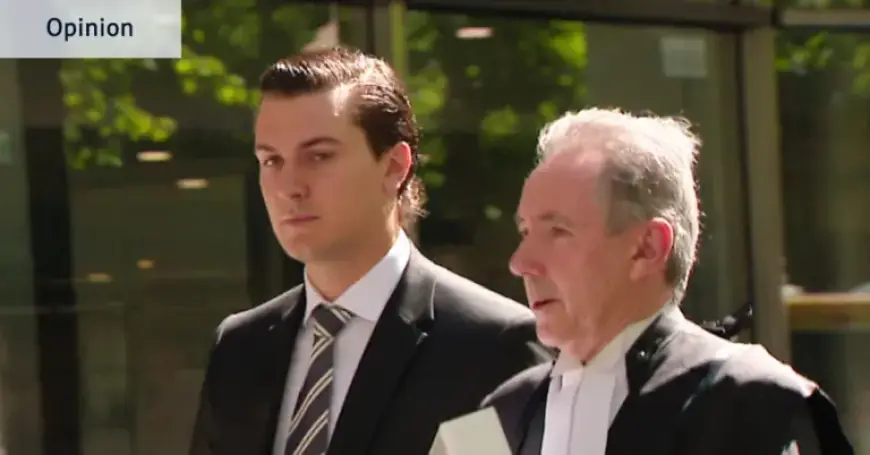
The Silvagni case has revealed significant issues within Victoria’s justice system, particularly concerning public scrutiny and suppression orders. High-profile individuals, like Tom Silvagni, have utilized these orders to maintain anonymity during prosecution, raising concerns about transparency and accountability.
Legal Backlash Against Suppression Orders
Tom Silvagni, the son of a renowned AFL star, was granted suppression orders that concealed his identity during legal proceedings. This ruling challenges centuries of established legal principles, notably the assertion that public scrutiny is vital to justice.
- Suppression orders disrupt the fundamental principle of open justice.
- Jeremy Bentham emphasized the importance of publicity in the legal process.
- Silvagni’s case has drawn widespread public attention and outrage.
Public Reaction and Legal Precedence
Despite a ban on reporting details about Silvagni for nearly 18 months, his identity eventually surfaced on social media. In December, a judge lifted the order, exposing the discontent among Australians who believe in open justice as a mechanism for monitoring the legal system.
Statistics show that Victoria issues more suppression orders than other states combined. Not all orders are unjustified, but the prevalent use of mental health exemptions raises red flags, particularly for those who can afford legal resources. Critics argue this trend threatens the principle of public accountability in legal proceedings.
Challenges for Journalists and Media Freedom
Recent studies have revealed a decline in the public’s right to know in Victoria. Researchers Johan Lidberg and Alicia McMillan highlighted several critical issues:
- Journalists face obstacles interviewing prisoners despite existing rules allowing these interviews.
- Government officials often provide vague or unresponsive answers to inquiries.
- The freedom of information process is criticized as ineffective, necessitating reform.
Lidberg and McMillan concluded that severe limitations hinder journalists’ ability to perform public interest reporting, particularly regarding court cases.
Frustrations in the Court System
Many journalists experience hostility within the courts, as magistrates and judges frequently disregard the Open Courts Act. This creates a challenging environment for reporters, who must rely on handwritten notes instead of recordings, leading to potential inaccuracies. Erin Pearson, a court reporter for The Age, noted the rising burnout among journalists due to increased pressure and negative attitudes.
Looking Forward: Potential Solutions
Addressing these issues will require cooperative dialogue between the media and judicial systems. Researchers recommend periodic discussions between judges and journalists to improve understanding and respect for the media’s role.
The Melbourne Press Club has initiated a public forum to encourage this dialogue, featuring prominent figures in the journalism and legal fields. Such efforts may help reinstate transparency within the justice system, reinforcing the vital connection between public awareness and judicial accountability.