
























Hormuz Strait Closure Sparks Concerns Over Surging Oil Prices

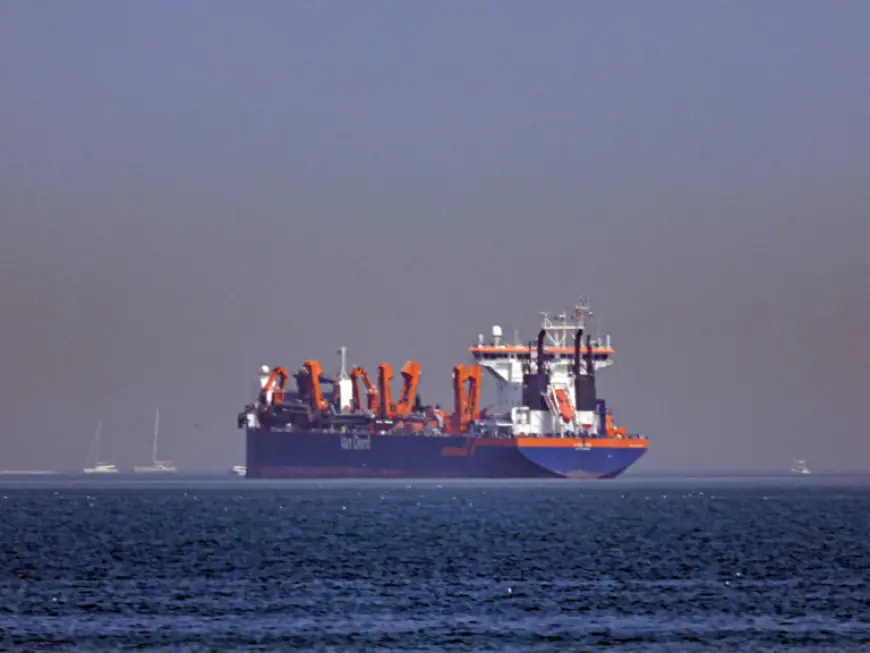
The ongoing conflict between the United States, Israel, and Iran has raised major concerns regarding the Strait of Hormuz, a vital artery for global energy supplies. This strategic waterway is responsible for transporting approximately one-fifth of the world’s oil and substantial quantities of natural gas.
Strait of Hormuz Closure and Its Impact on Oil Prices
Recent Iranian military threats have led to a near halt in shipping through the strait. A commander in Iran’s Revolutionary Guard Corps declared the strait “closed” and warned that vessels attempting to navigate the waters would be attacked. As a result, five oil tankers have been damaged, two personnel have lost their lives, and around 150 ships remain stranded.
Surge in Oil Prices
The tension surrounding this maritime corridor has caused oil prices to spike. On Monday, prices rose above $79.40 per barrel, following a jump from $73 on Friday. Shipping traffic through the strait has plummeted by at least 80 percent, according to maritime intelligence experts. Michelle Bockmann from Windward noted that the shipping industry faces escalating freight costs for routes in the Middle East and the Gulf.
Shipping Traffic and Safety Concerns
Limited shipping activity continued in the strait, notably involving vessels flagged by Iran and China. Analysts speculate that some ships may have evaded detection by turning off their Automatic Identification Systems. However, many commercial operators, oil companies, and insurers have withdrawn from the corridor altogether, significantly increasing insurance premiums to a six-year high.
Global Supply Chain Effects
The American and Gulf oil sectors have adapted by front-loading crude oil supplies to mitigate short-term supply issues. Nearly 70 percent of shipped crude oil from the Strait of Hormuz ends up in Asia, especially in China, India, Japan, and South Korea. Significant proportions of global energy products are also affected, including jet fuel and liquefied natural gas (LNG).
- 30% of Europe’s jet fuel supply passes through the Strait of Hormuz.
- 20% of the world’s LNG supply transits via this critical waterway.
Broader Economic Consequences
The U.S. has become less reliant on Middle Eastern oil but remains vulnerable to supply disruptions, affecting delivery times and costs. David Warrick from Overhaul highlighted that rerouting ships incurs additional expenses due to war risk insurance. This situation poses a challenge for businesses, particularly in sourcing raw materials during a peak season.
Despite the pressures on consumer sectors resulting from increased energy prices, U.S. oil producers may benefit in the long run. However, analysts question the sustainability of such elevated price levels.
Conclusion
The closure of the Strait of Hormuz amid rising geopolitical tensions presents significant risks to global oil supply and prices. The unfolding situation remains fluid, with the potential for far-reaching implications across various sectors.