Can Toronto, Montreal, Ottawa LRTs Endure Harsh Canadian Winters?

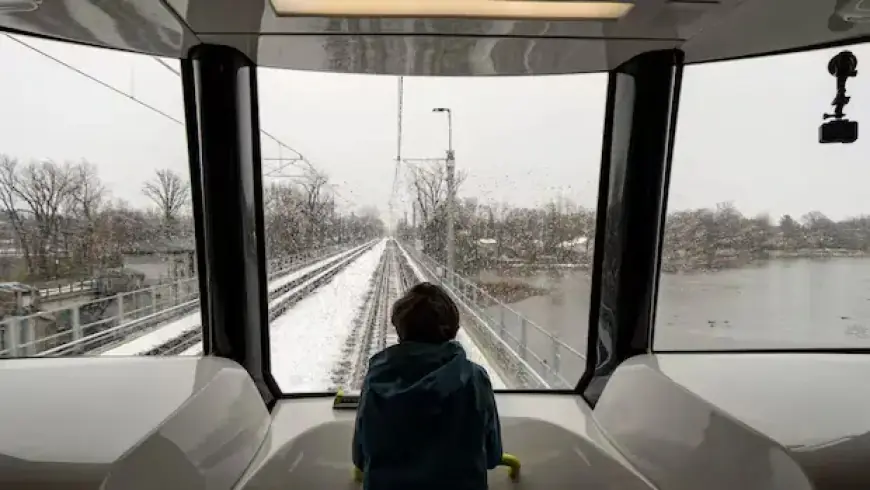
Recent snowstorms have raised questions about the ability of the light rail transit systems in Toronto, Montreal, and Ottawa to handle harsh Canadian winters. Commuters have faced significant service disruptions as these cities implement their new train lines.
Winter Disruptions Impacting Commuters
On a snowy Thursday morning, David St-Pierre, a commuter from Brossard, Quebec, waited nearly an hour for a train from the Réseau Express Métropolitain (REM). He was among many travelers experiencing delays due to heavy snowfall. This has sparked debate over whether light rail transit systems are adequately equipped for Canadian winter conditions.
Expert Opinions on LRT Performance
Transit advocate Steve Munro expressed concerns about the performance of Toronto’s Finch Line LRT, stating it often takes longer to travel than the bus services it replaced. Similarly, Lavagnon Ika, a project management professor, commented on the lack of consideration for winter conditions in the design of these systems.
Ahmed El-Geneidy from McGill University noted that heavier diesel trains typically perform better during snowstorms. He was surprised to see insufficient snow removal mechanisms in the REM system, which launched in Brossard two years ago and has experienced various weather-related interruptions.
Specific Issues with Light Rail Systems
- REM faced reduced service on the Deux-Montagnes line due to snow accumulation.
- Toronto’s Finch Line LRT was not operational on Thursday evening, plagued by repeated technological failures since its launch.
- Ottawa’s LRT Line 2 experienced outages due to snow buildup causing switch malfunctions.
Public Sentiment and Experience
Many commuters, including Katherine Bignell-Jones from Toronto, expressed frustration over the inefficiencies of the Finch Line, calling it a “glorified streetcar.” For some, the new transit lines have made their commutes longer and more complicated.
Jeanne Panneton, a student who endured a lengthy journey from Brossard to downtown Montreal, emphasized that packed trains and delays have become common. She, along with others, found the transit system’s communication lacking in notifying passengers of disruptions.
Design Flaws and Recommendations
Concerns about design flaws have pervaded discussions around these transit systems. Notably, both Finch and Ottawa’s LRT lines share a snow-melting technology that has previously malfunctioned. Munro criticized the absence of comprehensive testing prior to the systems’ launches, which may contribute to their current struggles.
Provincial transit officials, including Stuart Green from the Toronto Transit Commission, have acknowledged ongoing issues with switch operations and are working to improve service reliability. However, many are skeptical about the long-term viability of these transit systems in winter conditions.
Looking Ahead
In light of these winter challenges, REM spokesperson Claudia Néron assured that the service is taking steps to implement new equipment and procedures to better handle severe weather. Commuters like St-Pierre remain hopeful that improvements will lead to a reliable system that can withstand the challenges of harsh Canadian winters.
As cities consider investing in light rail transit, the performance of these systems under winter conditions will be a pivotal factor in their success. If they cannot address these issues, concerns about their long-term effectiveness will likely persist.