























Did Live Nation Retract Billie Eilish from Venue in Retaliation?

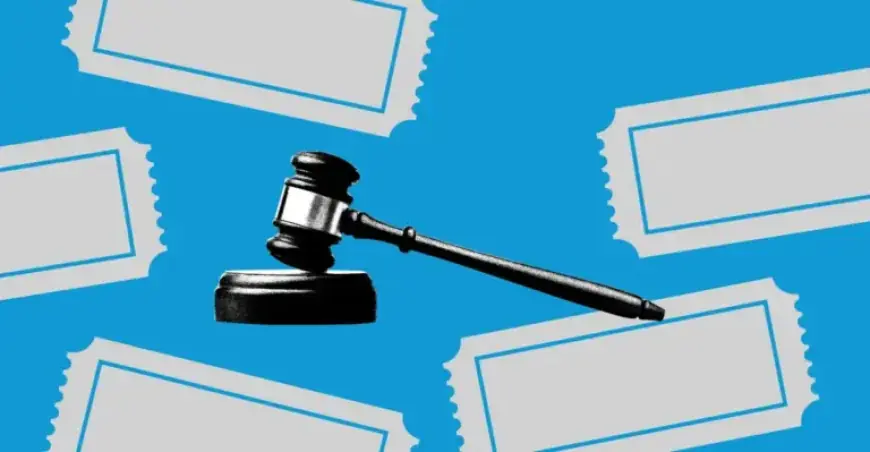
The ongoing Live Nation-Ticketmaster monopoly trial has revealed significant tensions between the ticketing giant and major venue executives. Central to this case are allegations that Live Nation attempted to retaliate against venues that considered switching ticketing providers.
Live Nation’s Alleged Retaliation Tactics
John Abbamondi, former CEO of BSE Global, testified about a tense conversation he had with Live Nation’s CEO, Michael Rapino, in April 2021. Abbamondi was breaking the news that Barclays Center would not renew its contract with Ticketmaster. Instead, Barclays opted for SeatGeek, citing superior technology and better financial terms.
During the call, Rapino expressed frustration, hinting that Live Nation could withdraw concerts from Barclays as a direct consequence. Abbamondi viewed this as a threat to the venue’s concert bookings, especially regarding popular artists like Billie Eilish.
Impact on Concert Bookings
- Abbamondi reported a significant decline in Live Nation shows at Barclays after switching to SeatGeek.
- Billie Eilish, who had canceled her shows in New York in 2020, did not return to Barclays during her 2021 tour, opting for the new UBS Arena instead.
- Other promoters did not reduce their bookings as drastically as Live Nation.
Despite the contractual switch, Abbamondi faced termination in 2022. The Barclays Center later reverted to Ticketmaster, driven by concerns of losing shows promoted by Live Nation. Similar patterns emerged at the Minnesota Wild’s Xcel Energy Center, where executives felt pressured to remain with Ticketmaster due to fears of losing vital Live Nation events.
The Role of Market Competition
Executives from Minnesota Wild testified that switching to SeatGeek would yield greater financial benefits. However, they perceived losing Live Nation shows as “catastrophic.” SeatGeek even considered providing “Live Nation retaliation insurance” to counteract potential losses due to concert rebookings at rival venues.
Legal Disputes and Contractual Complexities
Conflicts between Barclays and Ticketmaster also complicated the situation. While Barclays believed its contract had expired, Ticketmaster argued that pandemic-related delays extended it. This legal gray area contributed to the tension during the call between Abbamondi and Rapino.
As the trial progresses, the jury faces the challenge of determining whether Live Nation’s alleged threats constitute monopolistic practices. The outcome could result in significant penalties or lead to a restructuring of the company’s operations in the live entertainment industry.
This situation highlights the increasingly complex dynamics of the concert promotion and ticketing landscape, where power dynamics between major players shape opportunities for venues and artists alike.