


















Mike Tomlin Faces Racial Challenges in Pittsburgh’s Shadow

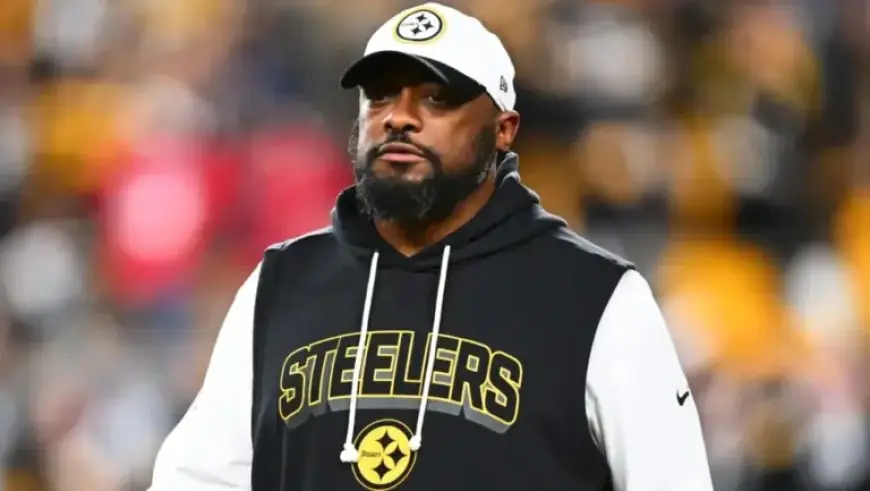
Mike Tomlin’s departure from the Pittsburgh Steelers has sparked conversations surrounding race and coaching in the NFL. As a prominent figure, Tomlin faced challenges unique to Pittsburgh, which is characterized as the whitest major city in America. His tenure was marked by intense scrutiny, not only regarding his performance but also his racial identity in a predominantly white environment.
Mike Tomlin’s Impact on Pittsburgh’s Racial Dynamics
When Mike Tomlin was appointed as head coach in 2007, he became one of just 26 Black head coaches in NFL history. Since 1990, only 20 Black coaches have held non-interim positions compared to 154 white coaches. This statistic underscores the significance of his role in a sport and city where racial dynamics are complex.
Challenges Beyond Playoff Performance
Tomlin’s leadership faced challenges that extended beyond the football field. Critics often pointed to his 8-12 playoff record, including seven consecutive losses. Despite these performance-related criticisms, many discussions around his resignation highlighted the underlying racial tensions in Pittsburgh.
- Tomlin’s record includes poor performance in high-stakes situations.
- Contrary opinions suggested that his departure was influenced by systemic racial dynamics.
The Rooney Rule and Its Context
The Steelers’ organization, founded by the Rooney family, played a pivotal role in promoting opportunities for Black coaches through the Rooney Rule, which aims to increase diversity in the coaching ranks. However, recent movements against this rule have raised questions about its future and implications for coaches like Tomlin.
The NFL’s history includes contributions from the Steelers to advance Black representation. For instance, the franchise’s commitment to scouting Black colleges laid the groundwork for their iconic teams. Yet, Tomlin’s tenure highlighted a persistent uneasiness regarding race relations in Pittsburgh.
Public Sentiment and Fan Reactions
The fan culture surrounding Tomlin was mixed. Despite his achievements, some sections of Steelers Nation called for his termination, as evidenced by “fire Tomlin” chants during games. Players expressed concern over the hostile environment, indicating that unfair scrutiny contributed to the difficulties he faced.
- Some fans held objective critiques but blended them with racially charged rhetoric.
- The emotional toll of persistent criticism had a significant impact on Tomlin’s leadership experience in Pittsburgh.
Political Climate’s Influence
The political atmosphere in Pittsburgh and the broader U.S. also affected perceptions of Tomlin. Following the rise of right-wing sentiments, many felt emboldened to express racial biases openly. Conversations emerged about how national politics trickled down to local sports cultures, influencing fan attitudes toward Tomlin.
Tomlin’s legacy in Pittsburgh extends beyond Wins and Losses. He has become a symbol of resilience in a challenging environment, navigating a complex intersection of race and professional sports. As the NFL looks to the future, the implications of Tomlin’s departure will resonate beyond his statistics.