Student Guide: Master Earthquake Preparedness

With seismic activity a pressing concern in the Pacific Northwest, it’s crucial for students to understand earthquake preparedness. Vancouver Island, located in an earthquake zone, could be prone to significant earthquakes in the future. Here are essential tips for mastering earthquake preparedness, based on insights from emergency planner Rob Johns at the University of Victoria (UVic).
Essential Earthquake Preparedness Tips
Know What to Do During an Earthquake
Rob Johns emphasizes the mantra: “Drop, Cover, and Hold On.” This means:
- Drop: Get down on your hands and knees.
- Cover: Protect your head and neck under a sturdy piece of furniture.
- Hold On: Stay in position until the shaking stops.
After the shaking ceases, remain in place for at least 60 seconds. The Capital Regional District’s emergency guidelines recommend this practice for safety.
Campus Evacuation Procedures
At UVic, students are instructed to stay indoors during an earthquake. Once the shaking ends, evacuate the building safely, avoiding elevators. Students should not re-enter until authorized.
UVic has established a Campus Earthquake Assembly Area near CARSA, with additional holding zones behind the Visual Arts building and the Lam Family Student Housing Complex. The university’s evacuation map details these locations.
Home Hazard Hunt
Johns advises conducting a “Home Hazard Hunt.” This involves evaluating your living space for potential hazards, such as:
- Bookcases
- Cabinets
- Ceiling tiles
Consider relocating items that could fall during an earthquake. For those renting, keep heavier items on lower shelves to maintain stability.
Staying Safe in Public Spaces
In public settings like grocery stores or libraries, choose locations away from shelves that could collapse. When outdoors, maintain distance from buildings, trees, power lines, and roadways.
Emergency Supplies for Students
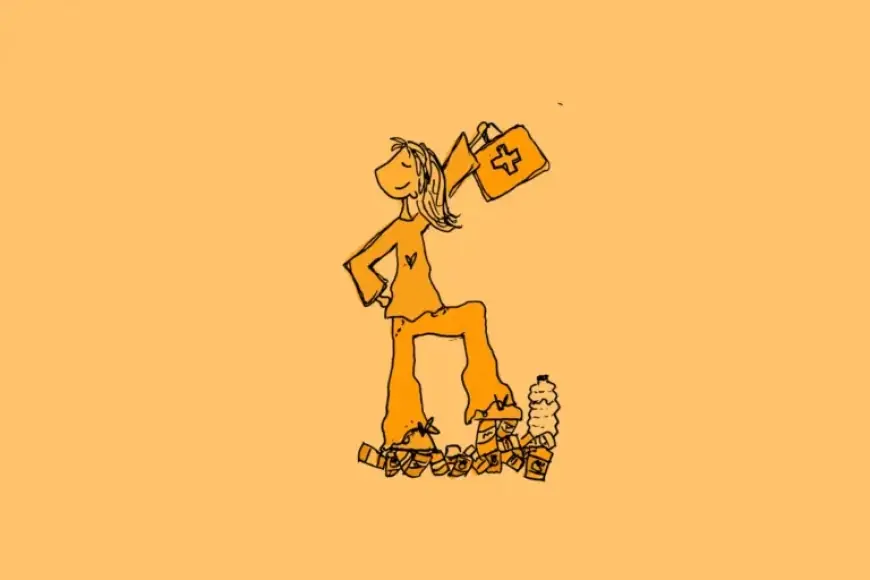
To ensure safety during an earthquake, students should prepare an emergency supply kit, including:
- Non-perishable food
- Water
- A basic first aid kit
This kit should be updated regularly, ideally once each semester.
Post-Earthquake Precautions
After an earthquake, be cautious of downed power lines. Stay at least one bus length away from them and assume they are live. Also, watch for potential water main breaks and gas leaks, indicated by a rotten egg smell or hissing sounds.
Community Preparedness
Building friendships within your community can enhance safety. Establish connections with neighbors and classmates, as these relationships can provide support during emergencies.
Utilizing Resources
For easy access to emergency information, students can download the UVic Safety App. This app offers guidance on procedures, relevant websites, and important contact details.
By following these guidelines, students can significantly improve their earthquake preparedness, ensuring a safer experience on Vancouver Island.