

























Wfaa Radar: Slow-Moving Front Triggers Days of Severe Storms From Texas to the Great Lakes

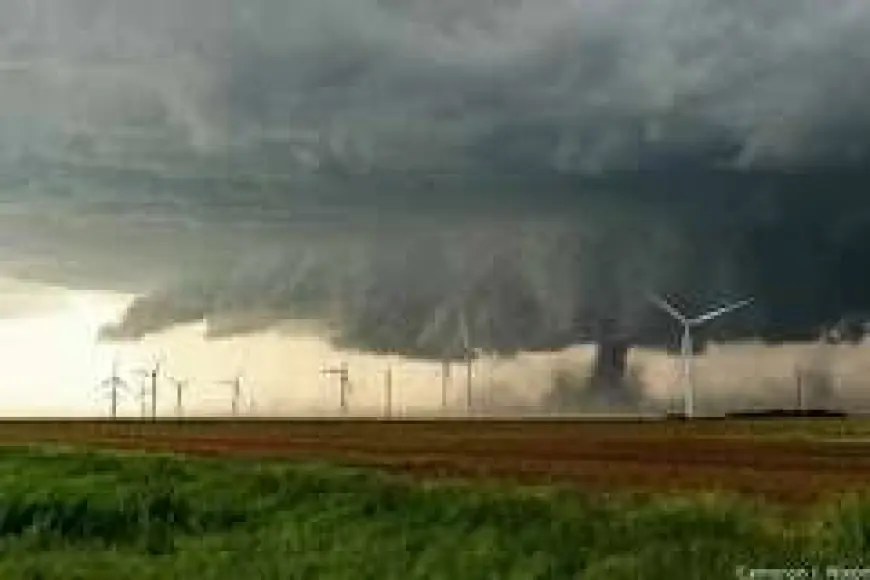
A slow-moving frontal boundary stretching across the Ohio Valley has set off a multi-day severe weather episode that will affect a wide swath of the central United States. Viewers checking wfaa radar should prepare for large hail, damaging wind gusts and pockets of flash flooding as storms intensify through Thursday.
Wfaa Radar viewers: timing from mid-afternoon into Thursday
Ongoing showers and thunderstorm activity in the Ohio Valley are expected to push eastward through the day, with a distinct new round of storms forecast to develop by mid to late afternoon across the Ark-La-Tex and mid-Mississippi Valley. Those cells will track northeastward into the Ohio Valley Wednesday night into Thursday, placing communities from North Texas to the lower Ohio Valley in the crosshairs of the most severe activity.
Forecasts also indicate that severe conditions will continue to be a concern over the next five days for parts of Texas, making near-term monitoring essential. The primary hazards with the strongest storms are large hail and damaging wind gusts; slower-moving cells heighten the potential for heavy rainfall and localized flash flooding. Those using wfaa radar should watch for rapidly changing storm modes and heed warnings when issued by local officials.
Storm Prediction Center and National Weather Service actions
The Storm Prediction Center has placed a corridor from North Texas to the lower Ohio Valley in a Slight Risk of severe thunderstorms for the Wednesday afternoon into Wednesday night period. That formal outlook underscores the elevated chance for organized storm cells capable of producing the primary threats identified: hail, winds and heavy downpours. The National Weather Service has also urged residents in affected areas to have a plan in place if warnings are issued for their neighborhood.
By Thursday into Thursday night, the locus of concern shifts westward into the western High Plains — stretching from the Texas Panhandle into western Kansas — as a separate storm system ejects from the Rockies. Convection is expected to intensify along the dryline ahead of that system, raising the risk of severe storms across that corridor. Local offices will likely adjust watches and warnings as storms evolve, reflecting changing storm structure and rainfall rates.
What makes this notable is the combination of a slow-moving frontal boundary and successive storm rounds: the boundary is allowing new convection to fire repeatedly over a broad area, and slower cells increase the chance for concentrated rainfall and flash flooding even where wind or hail threats are less pronounced. The timing matters because mid- to late-afternoon heating will intersect with the frontal zone, providing the lift needed for stronger updrafts that can yield large hail and damaging gusts.
Emergency managers and weather offices emphasize preparedness steps that are immediate and measurable: have multiple ways to receive warnings, establish a safe shelter location, and avoid driving through flooded roadways. These actions reduce exposure to the documented hazards — large hail, wind gusts capable of downing trees and power lines, and localized flash flooding tied to slow-moving storms.
Residents across the outlined regions should keep an eye on local forecast products and use radar tools to track storm motion and intensity. Updates to watches and warnings are likely as the situation unfolds, and officials will refine the geographic scope of threats as new data arrives.