























Autopen Probe Shelved After Justice Department Finds Insufficient Evidence

The Justice Department examined whether former President Joe Biden and aides broke the law by using the autopen to sign presidential documents but ultimately did not pursue criminal charges. The decision matters because it underscores the department’s inability to convert presidential pressure into prosecutable cases.
Autopen Inquiry Led by Jeanine Pirro
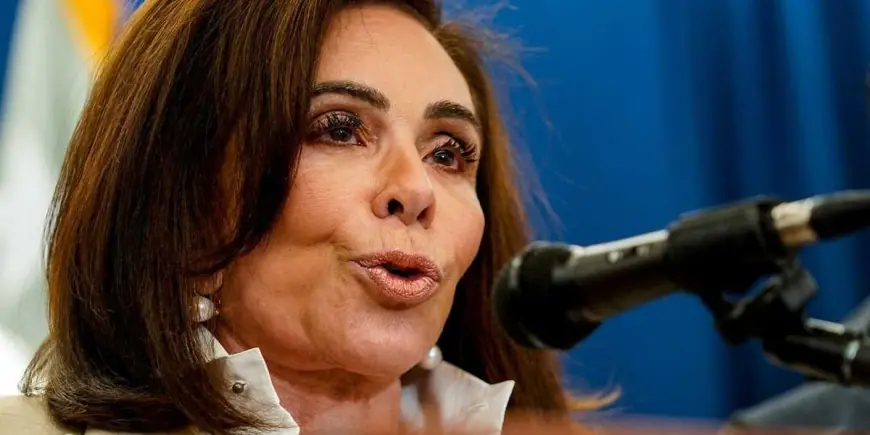
The inquiry into the autopen was handled by the U. S. attorney’s office in Washington, D. C., led by U. S. Attorney Jeanine Pirro. That office scrutinized whether any criminal statutes were violated when Biden used the autopen, and whether related actions—such as pardons signed late in the presidency—could be contested on grounds of mental capacity. Prosecutors reviewed the evidence but determined there was not sufficient proof to move forward, and the matter was quietly shelved in recent months.
President Donald Trump has repeatedly highlighted the autopen in public and administrative steps, including signing an executive order in November that nullified paperwork signed with the device. That executive action placed the autopen squarely in the center of a political and legal dispute, prompting prosecutors to assess whether the device’s use could support criminal charges. After review, the Justice Department declined to build a prosecutable case.
Grand Jury Rejection in Six-Lawmaker Case and Its Impact
The autopen inquiry was set against a backdrop of other politically charged investigations overseen by the same U. S. attorney’s office. Prosecutors in Washington sought an indictment in a separate matter involving six Democratic lawmakers who posted a video reminding military personnel they are obliged to refuse illegal orders. A grand jury refused to return an indictment in that case, and that rejection occurred around the same time the autopen investigation was set aside.
Prosecutors familiar with both inquiries judged that evidence fell short of what is required for criminal charges. The grand jury’s decision in the lawmakers’ case — an explicit refusal to indict — signaled limits on the department’s ability to obtain criminal findings in disputes driven by political pressure. As a result, the autopen case was shelved rather than refiled or escalated to other offices.
Justice Department Pressure, Investigative Limits and Next Steps
President Trump pushed the Justice Department to pursue these investigations as part of a broader effort to challenge opponents, directing attention to the autopen and to pardons issued at the end of the previous administration. That pressure prompted prosecutors to open inquiries, but internal assessments concluded that the factual record did not meet the legal threshold for prosecution. Some cases under this administration have been rejected by grand juries, others by judges, and some have been abandoned by prosecutors; the autopen matter falls into the latter category.
What makes this notable is the disjunction between political imperative and prosecutorial standards: despite executive insistence and an executive order targeting autopen-signed documents, investigators stopped short when evidence did not justify charges. It remains unclear whether the department will attempt to revive the inquiry in a different forum or direct renewed scrutiny elsewhere.
Officials involved have declined to confirm investigative details publicly, and the Justice Department has not pursued alternate filings in the immediate aftermath of the shelving. The combination of a November executive order, a grand jury refusal in an adjacent case, and the U. S. attorney’s office judgment that evidence was insufficient are the concrete actions that led to the autopen probe being discontinued.
The episode highlights a pattern within the department: multiple politically sensitive matters have stalled for lack of prosecutable evidence, leaving enforcement decisions shaped by legal thresholds as much as by presidential direction.