Sting Pays $800,000 in Police Royalties Case at London’s High Court

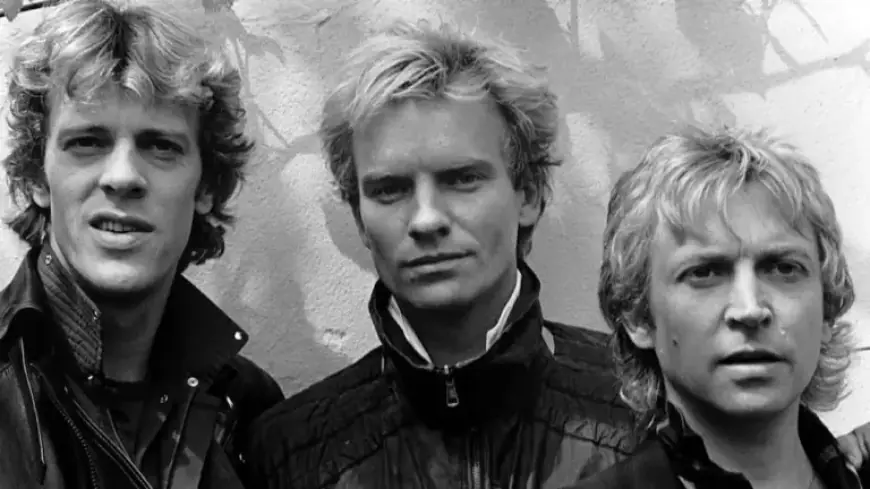
Sting has faced legal challenges stemming from a royalties dispute with his former bandmates from The Police at London’s High Court. The case has resulted in Sting paying a total of $800,000 to guitarist Andy Summers and drummer Stewart Copeland since they filed legal proceedings last year.
Details of the Legal Battle
Summers and Copeland allege that Sting owes them more than $2 million (£1.5 million) due to unpaid royalties from downloads and streaming of The Police’s extensive back catalogue. Their claims rest on agreements established during the band’s peak in the late 1970s and early 1980s.
The Core Issue
The crux of their case is centered on an alleged “oral agreement” for sharing income, which was later formalized into written contracts. This agreement dictated that the two would receive a percentage—traditionally 15%—of the income generated from songs written by Sting, recognizing their significant contributions.
- Sting is considered the primary songwriter.
- Summers contributed notably to tracks like “Every Breath You Take.”
The original terms provided a framework for profit sharing during an era dominated by physical music sales. However, this arrangement has come into question with the rise of digital platforms.
Streaming vs. Sales: A Legal Distinction
Sting’s legal representatives argue that streaming revenue qualifies as “public performance” rather than a traditional sale. They assert that the agreements only encompass royalties derived from physical record manufacturing.
Conversely, the legal teams for Summers and Copeland maintain that the language used in the agreements must be interpreted to reflect the dramatic shifts in the music industry, where streaming has increasingly become the main channel for music distribution.
Background and Future Considerations
The trio’s relationship has been characterized by tension, with The Police disbanding in 1986. Although they reunited for a lucrative world tour in 2008, the chances of another collaboration seem slim due to lingering animosity.
Despite acknowledging an earlier payment of $870,000, Summers and Copeland claim that no interest has been factored into what they view as a “historic underpayment.” The next phases of this case are sure to influence the dynamics of royalty agreements in an evolving music landscape.