Exploring Silver Investment: Unveiling Key Downsides

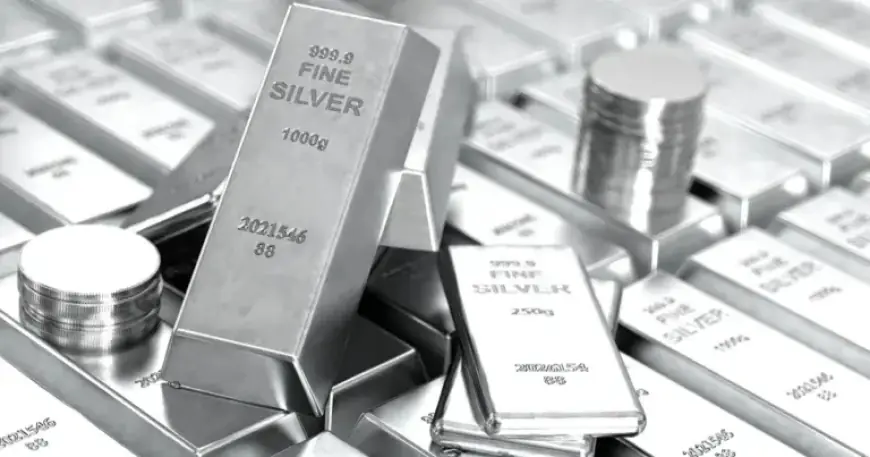
Investing in silver has gained substantial attention recently due to significant price increases. Currently, silver trades above $80 per ounce, attracting numerous investors. However, understanding the potential downsides of silver investment is critical for making informed decisions.
Exploring Silver Investment: Unveiling Key Downsides
While silver may appear to be an attractive opportunity, it comes with risks that require careful consideration, especially in the current market environment. Below are the notable downsides associated with investing in silver.
Price Volatility
Silver prices are known for their extreme fluctuations. Unlike gold, which typically rises and falls gradually, silver often reacts strongly to market sentiment. This volatility can lead to significant risks, particularly for investors with a short-term focus or low-risk tolerance.
- Fast price gains can result in buying at a peak.
- Larger trades can cause abrupt price shifts.
Industrial Demand Sensitivity
Silver’s value is closely linked to industrial demand, including its use in electronics and medical equipment. This dependency can be a double-edged sword. Economic downturns may sharply reduce industrial demand, adversely impacting silver prices even amid inflation concerns.
Storage and Insurance Expenses
Investing in physical silver comes with additional costs. Since silver requires more space than gold for equivalent values, storage and insurance can quickly eat into profits.
- Physical silver investments involve ongoing storage expenses.
- Using third-party storage services can be particularly costly.
High Premiums and Spreads
Investors often face higher-than-expected premiums when purchasing silver products. This is especially true during periods of strong demand. Smaller coins and bars may carry sizable markups, complicating potential returns when selling.
- Wider bid-ask spreads can occur, impacting sell prices.
- Market volatility tends to exacerbate pricing challenges.
Lack of Income Generation
Unlike equities or real estate, silver does not generate income through dividends or interest payments. Its returns are solely price-dependent. Consequently, if market prices stagnate or decline, investors may face significant financial challenges.
Conclusion
Silver can enhance diversification within an investment portfolio, particularly during times of inflation. However, it is not without its risks. Investors should carefully assess the drawbacks, including volatility, economic sensitivity, and additional costs. A thorough evaluation of one’s financial goals and risk appetite is essential before committing to silver investments.