

























Middle East Conflict Drives Surge in Oil Prices

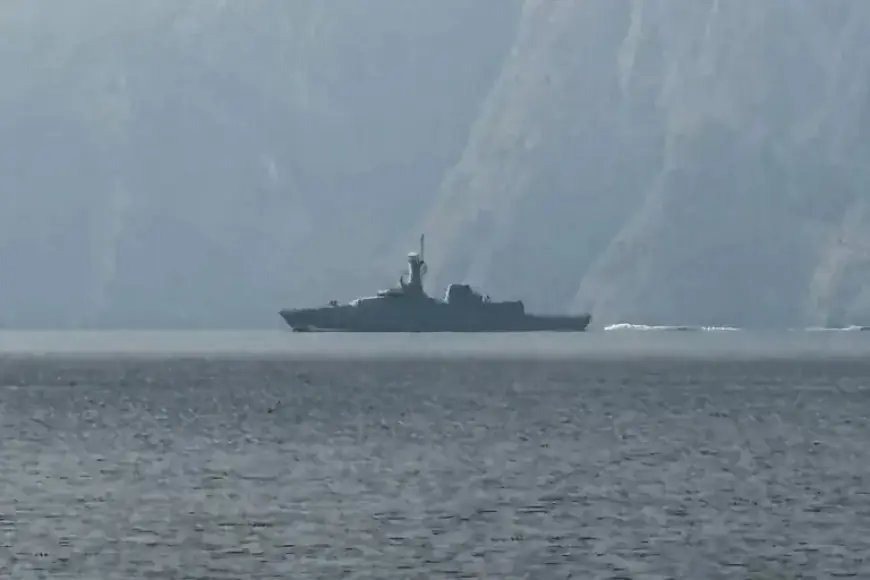
The ongoing military conflict between the U.S. and Israel against Iran has led to significant increases in oil prices, impacting markets globally. Events in the Middle East, particularly in the Strait of Hormuz, are causing concerns over potential supply disruptions.
Surge in Oil Prices Amid Middle East Conflict
Recent tensions have resulted in Brent crude prices climbing by nearly 3% to reach $72.87 per barrel. The escalation in military presence, particularly a significant buildup of U.S. naval forces, has heightened anxiety within the oil markets. Additional reports suggest prices may have surged by $10 a barrel in informal trading.
Critical Shipping Routes
The Strait of Hormuz is a vital conduit for oil transport, with around 20% of global oil—over 20 million barrels daily—passing through this narrow waterway. It connects the Persian Gulf to the Arabian Sea, making it a key point for international energy supplies.
The strait is equally crucial for liquefied natural gas (LNG), with around 20% of global LNG shipments in 2024 destined for major markets like China, India, and South Korea.
OPEC’s Response to Market Disruption
Faced with these disruptions, OPEC+ has decided to increase oil output by 206,000 barrels per day, although this is modest compared to the global demand of over 108 million barrels per day. The aim is to demonstrate readiness to utilize spare capacity without immediate reactions to market fluctuations.
- Spare capacity of OPEC+ members stands around 3.5 million barrels per day.
- Historically, military conflicts have influenced oil prices dramatically, although output remained stable.
Tensions and Potential Impacts
The current hostilities have already seen Iran retaliate against U.S. military bases, raising questions about the potential for further escalation. Iranian strikes have involved attacks on infrastructure in Bahrain, the UAE, and even aimed at targets in Dubai and Kuwait.
Analysts are concerned about the implications of Iran’s military capabilities, particularly their ability to target oil wells and processing facilities across the region.
Looking Ahead
The uncertainty surrounding the conflict suggests a risk of prolonged instability in oil markets. Rory Johnston, an oil market analyst, indicated that while the Strait of Hormuz may experience temporary closures, broader impacts on oil well safety remain a significant concern.
In light of rising gasoline prices, U.S. leadership may find it imperative to engage in diplomatic talks with Iran. President Trump has hinted at possible discussions with the new Iranian leadership, emphasizing the need to stabilize the situation.
The outcome of these developments remains uncertain, especially as military engagements continue to unfold. The global energy market will be watching closely as events transpire in this strategic region of the world.