Iran’s Influence on Oil Markets Surpasses Venezuela’s Impact

Recent analysis highlights the increasing influence of Iran on global oil markets, surpassing the impact of Venezuela. Energy experts agree that unrest in Iran could significantly disrupt oil supply and financial markets. This is particularly noteworthy given that Iran produces four times more oil than Venezuela.
Iran’s Oil Production vs. Venezuela’s
According to Andreas Goldthau from the Willy Brandt School of Public Policy, Iran ranks as the third-largest producer in OPEC. Its oil output accounts for approximately 4% of global demand, in stark contrast to Venezuela’s mere 1%.
- Iran’s output: Roughly 2 million barrels per day.
- Venezuela’s output: About 350,000 barrels per day.
The repercussions of a halt in Iranian production would likely be felt far more intensely than those related to Venezuela, given the scale of its operations.
Oil Reserves and Technology Constraints
OPEC statistics indicate that Venezuela possesses the world’s largest reserves, estimated at 303 billion barrels. However, much of this oil is heavy crude, requiring advanced extraction technology. Iran, on the other hand, has a more resilient but similarly strained oil infrastructure.
Both nations face international sanctions that inhibit their ability to modernize drilling technologies. This situation complicates maintenance and foreign investment in their oil industries.
Regional Implications of Tension in Iran
A significant concern surrounding Iran involves the geopolitical landscape of the Middle East. Approximately half of the world’s oil reserves are concentrated in this region. As political situations evolve in Iran, global oil markets experience pronounced fluctuations.
Resilience Despite Challenges
Despite adversities, Iran’s oil sector continues to demonstrate surprising resilience. While production once peaked at 6 million barrels daily prior to the 1979 Islamic Revolution, it currently stabilizes around 4 million barrels.
However, ongoing issues, such as selling oil at discounted rates, have constrained essential investments in Iran’s oil sector.
The Shadow Fleet of Iran
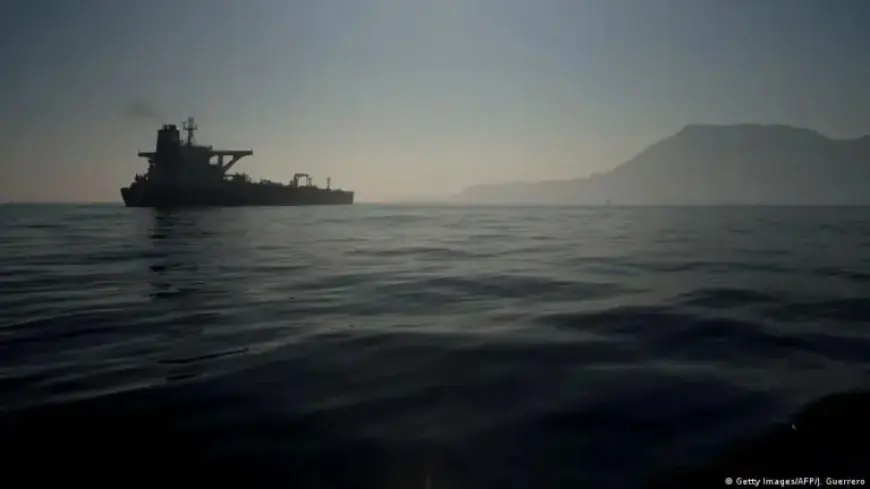
Iran has developed a shadow fleet of oil tankers to circumvent sanctions. This fleet has become critical for transporting oil amid imposed restrictions. Goldthau notes that many of these tankers are stationed near Southeast Asia, primarily catering to Chinese buyers, who account for over 90% of Iranian oil purchases.
- Current oil location: Significant quantities of Iranian oil are stored offshore near Malaysia.
- Delivery method: Iranian oil is often transferred from Iranian vessels to non-Iranian-flagged ships to facilitate market entry.
Potential Social Unrest
Economic issues within Iran resemble the challenges faced by Venezuela. Poorly maintained infrastructure has led to surging energy costs, contributing to financial crisis and nationwide protests.
If oil workers join the protest movements, the stability of the current regime could be jeopardized. Historical context reveals that oil strikes played a critical role in the fall of the Shah of Iran in 1978.
Global Oil Price Prospects
Should Iranian production significantly decline, market experts predict a rapid increase in oil prices, potentially exceeding $120 per barrel. Nevertheless, it is anticipated that other oil producers would eventually compensate for the losses.
Strategic reserves held by the International Energy Agency could also be utilized to stabilize the market. However, the threat of military conflicts in the region poses additional risks to oil prices.
Conclusion
The dynamics between Iran and Venezuela reveal critical insights into the oil market’s future. As Iran’s influence grows, the ramifications for global oil supply cannot be overlooked, especially in the face of potential conflict in the Middle East.