
























Middle East Tension: Iran Targets U.S., Israel Plans Lebanon Buffer Zone

Escalating tensions in the Middle East have led to significant military actions aimed at U.S. targets by Iran, as the conflict expands throughout the region. This series of events was fueled by the unprecedented military operations launched by Israel and the United States.
Recent Attacks and Military Escalations
On a recent Tuesday, Iranian forces targeted sites associated with the United States in the Gulf region. The U.S. embassy in Riyadh was struck by two drones, leading to a fire and the subsequent closure of its operations. Following this attack, explosions were reported in Riyadh, with at least four drones intercepted by defense systems.
- The U.S. embassy in Kuwait also announced its temporary closure.
- Washington ordered the evacuation of non-essential diplomatic personnel from Iraq, Jordan, and Bahrain.
In Bahrain, a U.S. airbase was hit during what was described as a large-scale drone and missile attack orchestrated by Iranian Revolutionary Guards.
Casualties and Humanitarian Crisis
As the conflict unfolds, reports indicate a devastating impact on both sides. The Pentagon confirmed the death of six American military personnel since the hostilities began. On the Iranian side, the Red Crescent reported that over 780 individuals lost their lives, although this figure remains unverified independently.
In addition to military casualties, the United Nations reported that more than 30,000 people have been displaced due to the ongoing violence in Lebanon and surrounding areas.
Israeli Defense Actions
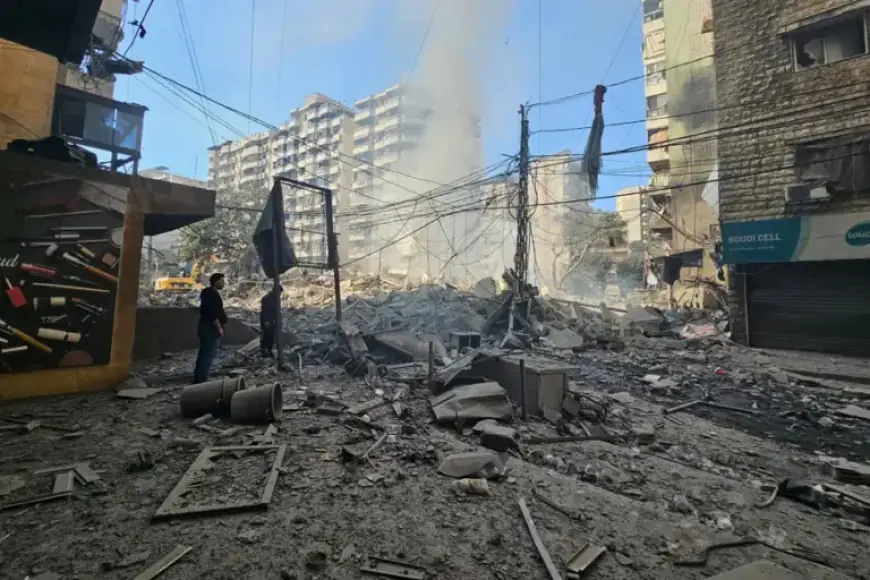
The Israeli military has executed operations targeting Hezbollah positions in Lebanon in response to incursions from pro-Iranian forces. Recent Israeli airstrikes have led to significant casualties, with authorities reporting 52 deaths in Lebanon from these strikes. For the first time, Israel has conducted a ground incursion into southern Lebanon to establish a buffer zone aimed at protecting its northern border.
- A ceasefire has been proposed, but tensions remain high.
- Hezbollah has also targeted Israeli military bases as part of their retaliation.
Global Repercussions
The ongoing conflict has triggered worries in global markets, as stock exchanges respond to rising oil prices and disrupted supplies. The crisis has affected natural gas production in Qatar and threatened critical shipping lanes in the Strait of Hormuz, where a significant portion of the world’s oil and liquefied natural gas transit.
With the heightened military actions and a growing humanitarian crisis, analysts suggest that the potential scale of these events may result in historical refugee movements from Iran. Displacing a mere 10% of Iran’s population could create flows comparable to the largest refugee crises seen in recent decades.
Conclusion
As tensions between Iran and the United States escalate further, the situation remains dire across multiple fronts. Defense strategies, humanitarian efforts, and international responses will be crucial in navigating this complex landscape.