NASA Evacuates Astronaut from Space Due to Serious Medical Condition

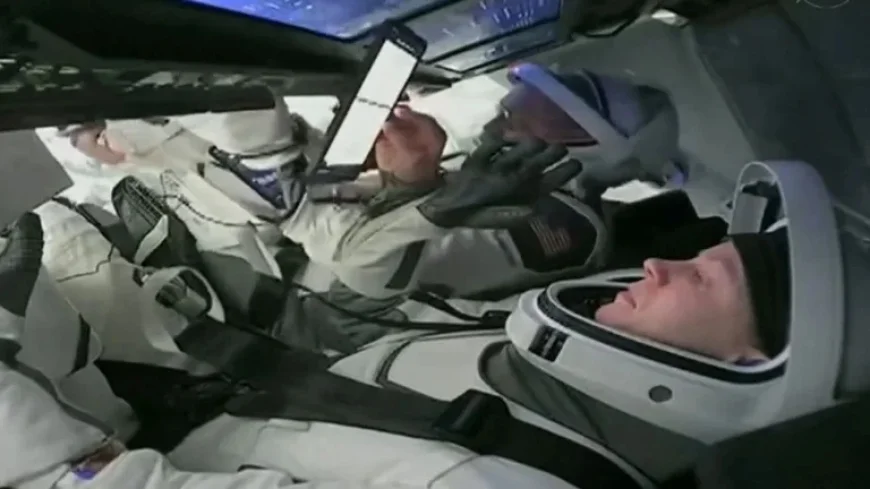
The recent evacuation of an astronaut from space marks a significant event for NASA. This operation was crucial due to a serious medical condition affecting one of the crew members aboard the International Space Station (ISS).
Navigating the Evacuation
The evacuation process involved a careful 10.5-hour journey back to Earth. It began with an automated undocking procedure. First, the connecting corridor between the Dragon capsule and the ISS was depressurized.
Key Steps of the Undocking Process
- Depressurization of the connecting corridor.
- Retraction of power cables connecting the capsule to the station.
- Release of 12 hooks securing Dragon to the ISS.
After these preliminary steps, mission control confirmed the spacecraft was prepared for departure. Subsequently, a gentle firing of the capsule’s thrusters, known as Burn Zero, initiated the separation from the ISS. This was followed by further thruster operations to gradually increase the distance between the two entities.
Return Journey Details
The spacecraft’s descent was meticulously planned. A critical deorbit burn was scheduled for 7:51 AM UK time on Thursday morning. This burn, lasting 13 minutes, was essential for reducing the spacecraft’s speed as it prepared to re-enter Earth’s atmosphere.
Landing Location
Following the deorbit burn, the Dragon capsule aimed for a landing off the Californian coast. This operation highlights NASA’s commitment to astronaut safety and proficient crisis management in space.
Conclusion
NASA’s evacuation of an astronaut underscores the importance of rapid response to medical emergencies in space. The successful implementation of these procedural measures reaffirms the agency’s dedication to ensuring the well-being of its crew.