Ryan Hurst lands Kratos: Prime Video’s ‘God of War’ reveals its lead as the ‘Sons of Anarchy’ alum steps into the Blades of Chaos

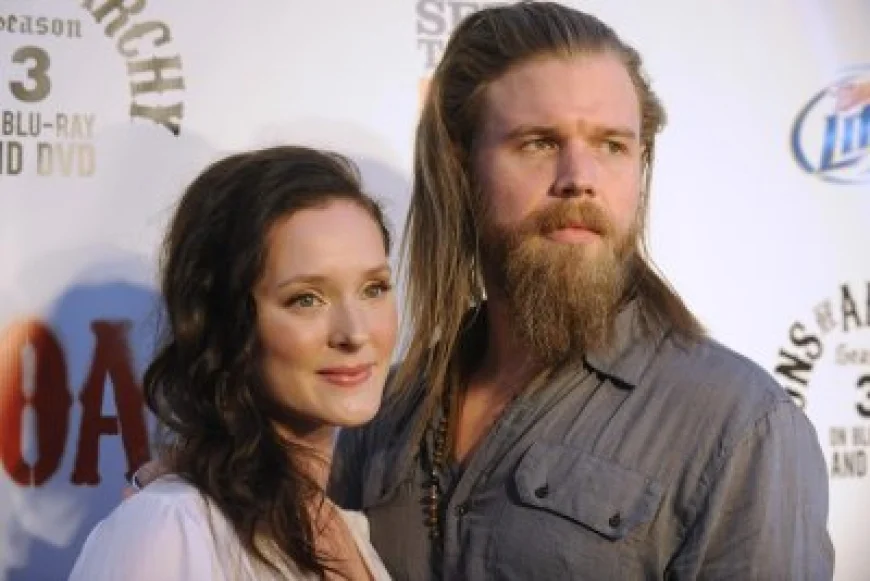
Ryan Hurst has been cast as Kratos in the upcoming live-action “God of War” series for Prime Video, a marquee decision that anchors one of television’s most closely watched game adaptations. The move instantly reframes expectations for the show: Hurst is already part of the franchise’s DNA, having portrayed Thor in the 2022 blockbuster “God of War Ragnarök.” Now he trades the thunder god’s hammer for the Ghost of Sparta’s rage, bringing imposing presence and a gravelly baritone to a character beloved by millions.
Ryan Hurst as Kratos: why this casting clicks
For fans of the games, Kratos is more than a warrior—he’s a father wrestling with guilt, restraint, and legacy. Hurst’s résumé suggests a strong match for that complexity. His breakout roles have leaned on physicality and wounded intensity, and his prior work inside the “God of War” world means he understands its tone, pacing, and performance-capture demands. The character’s evolution since the Norse-era reboot requires an actor who can convey quiet, simmering control one minute and mythic ferocity the next; Hurst has demonstrated both.
Equally notable is the meta twist: Hurst once stood opposite Kratos as Thor. That experience gives him unusual insight into the dynamics between gods and mortals in this universe—how scenes are blocked, how motion capture translates to screen, and how intimate character beats live alongside operatic combat. Expect that familiarity to shorten the learning curve.
What the ‘God of War’ series aims to adapt
The Prime Video drama is set to adapt the modern arc that begins with the 2018 game, shifting Kratos from Greek to Norse realms and pairing him with his son, Atreus. The narrative leaves behind spectacle for a story about parenthood, grief, and breaking cycles of violence—without losing the bone-shaking scale of trolls, valkyries, and gods. That dual mandate—epic action with emotional clarity—has made the property a prime target for prestige television.
Behind the scenes, the series is being produced in partnership with the franchise’s game stewards, with the usual mix of television heavyweights and PlayStation’s screen division collaborating to translate the world’s lore, combat style, and creature design to live action. That pipeline should help preserve signature elements: one-shot cinematography motifs, a tactile Scandinavian aesthetic, grounded armor and weaponry, and the father-son focus that turned the reboot into a cultural hit.
Key facts about Ryan Hurst and Kratos
-
Role: Kratos (live-action series)
-
Platform: Prime Video
-
Franchise connection: Previously portrayed Thor in “God of War Ragnarök” (performance capture and voice)
-
Character brief: Ex-Spartan warrior seeking a quieter life in the Norse wilds, pulled into conflicts with gods while mentoring his son, Atreus
-
Tone & themes: Fatherhood, restraint vs. wrath, fate, and cyclical violence against a backdrop of mythic adventure
What Hurst’s Kratos means for casting, tone, and scale
Hurst’s selection sets the tone for the rest of the ensemble. With a physically commanding Kratos in place, attention turns to Atreus, who must balance curiosity, empathy, and flashes of divine power. The right pairing will define the show’s emotional core. Antagonists and allies—Freya, Mímir, Brok and Sindri, and the Aesir pantheon—will also be cast against Hurst’s presence, calibrating the series toward grounded performances rather than pure cosplay spectacle.
From a production standpoint, the choice hints at a rugged, character-first approach. Hurst’s strengths suggest longer takes, performance-driven combat, and heavy use of performance capture to preserve the games’ weighty feel. Expect the visual language to lean into natural light, snow-drenched forests, and practical textures augmented by VFX—more frost-bitten realism than glossy fantasy.
Fan expectations and the road ahead
The “God of War” audience arrives with clear expectations: iconic weapons and moves (Leviathan Axe recalls, Blades of Chaos chains, Spartan Rage), the near-continuous camera aesthetic, and music that rumbles like distant thunder. Just as crucial, they want the quiet beats—the lessons at a campfire, the father’s hesitation at a crossroads, the boy’s questions about destiny. Hurst’s Kratos will be judged on both fronts.
With the lead secured, the production can accelerate on worldbuilding, creature design, and stunt-to-VFX pipelines that make the universe believable. Casting reveals for Atreus and key Norse figures should follow, along with first-look imagery that will answer the inevitable questions about beard, scars, ash-white skin, and armor. Schedules are subject to change, but the momentum created by today’s announcement suggests the long-gestating adaptation has moved into a decisive phase.
Why “Ryan Hurst Kratos” matters beyond fandom
High-profile game adaptations have become cornerstone bets for streamers, but success hinges on tone and casting. Locking in Ryan Hurst as Kratos signals confidence in a grounded, performer-driven take on myth and fatherhood, not just CGI spectacle. If the series sticks the landing—honoring the games while taking advantage of television’s room for character—Prime Video could secure a tentpole with multiseason potential. For now, the path is clear: define the father-son bond, respect the world’s tactile authenticity, and let Hurst’s Kratos carry the weight of a past he’s desperate not to pass on.