Supreme Court Allows Illinois Congressman to Challenge State Mail-In Voting Laws

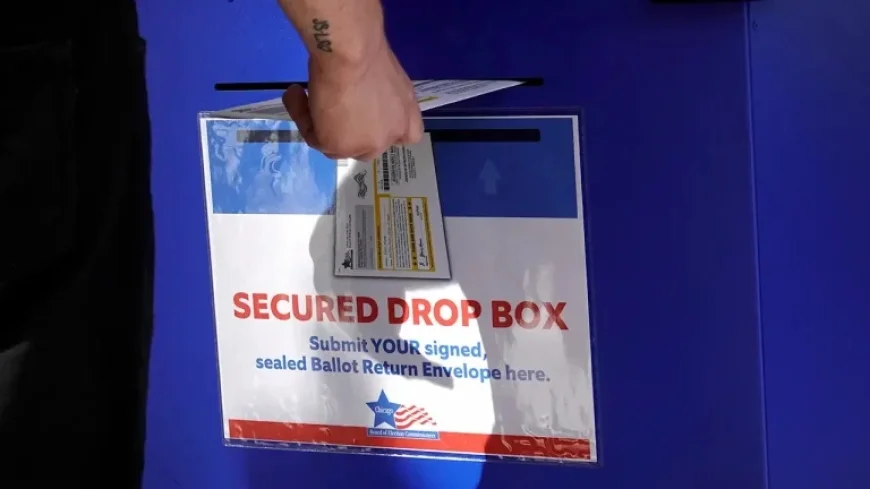
The U.S. Supreme Court recently ruled in favor of allowing federal candidates to challenge state mail-in voting laws. This decision has significant implications for upcoming elections, particularly the midterm elections scheduled for 2026. The ruling was made with a 7-2 majority, affirming that candidates have the right to sue state election boards regarding ballot counting procedures, especially those pertaining to late-arriving mail-in ballots.
Supreme Court Ruling Details
In the case that prompted the ruling, Congressman Mike Bost of Illinois had challenged the Illinois State Board of Elections’ policy. This policy permits mail-in ballots to be counted if received up to 14 days after Election Day, provided they are postmarked by that date. Initially, a U.S. district court ruled that Bost lacked the standing to contest the law under Article III, which requires plaintiffs to demonstrate individual harm. The Seventh Circuit Court of Appeals supported this view, further dismissing Bost’s appeal.
Majority Opinion
Chief Justice John Roberts delivered the majority opinion, emphasizing that candidates are not “mere bystanders.” He highlighted their intrinsic interest in how election outcomes are determined. This perspective suggests that candidates’ engagement with the electoral process justifies their ability to challenge state laws regarding ballot counting.
Dissenting Opinion
Justice Ketanji Brown Jackson dissented, joined by Justice Sonia Sotomayor, though their specific arguments were not detailed in the ruling.
Impact on Future Legal Challenges
- The ruling is expected to pave the way for numerous lawsuits concerning mail-in voting practices.
- Republicans have previously filed many lawsuits targeting late-arriving mail-in ballots, which are critical to their electoral strategy.
- The Supreme Court will hear another case later this year, Watson v. Republican National Committee, directly related to mail-in ballot counting.
Broader Context of Election Lawsuits
Leading up to the 2024 elections, both major political parties have filed over 165 lawsuits concerning various voting laws. These lawsuits involve challenges related to provisional ballots, poll access, and the requirements for mail-in voting. With the Supreme Court’s latest ruling, candidates may now have broader avenues to contest laws that they believe affect their electoral chances.
This decision not only clarifies the rights of candidates but also sets a precedent for future legal actions regarding state election laws. The implications could reshape the electoral landscape as candidates leverage this ruling in their favor heading into the midterm elections.