

























FIA Reverses Course After Team and Driver Revolt

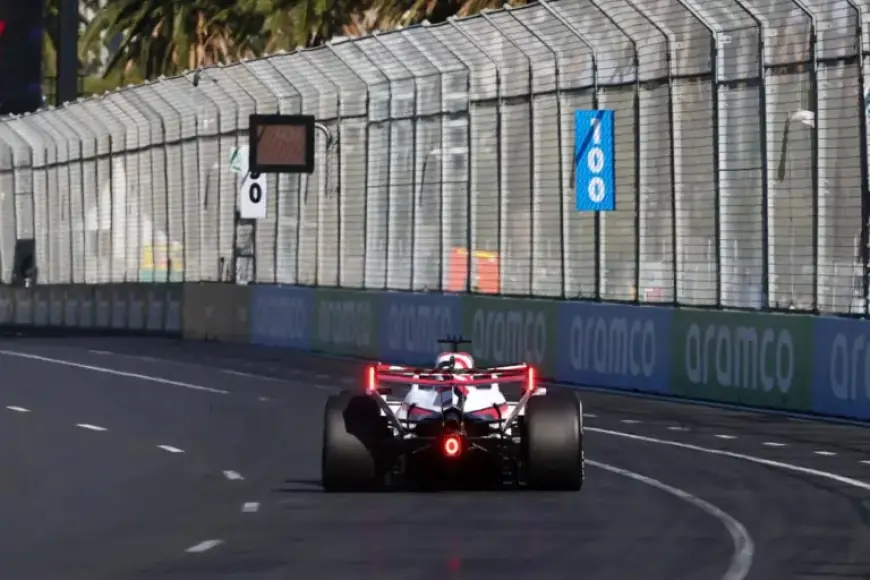
Amid pushback from Formula 1 teams and drivers, the FIA has reversed its decision to eliminate a key aero zone at the Australian Grand Prix. This pivot follows widespread discontent over a last-minute safety measure that aimed to address concerns about car performance in the Albert Park circuit.
Context of the Decision
On the morning of a critical practice session, the FIA informed teams that the activation zone for straight mode would be removed. This decision was driven by feedback from drivers during a briefing, particularly from Audi’s Gabriel Bortoleto. He expressed concerns about the lack of downforce at the Turn 9 kink, potentially increasing the risk of incidents during the race.
Driver and Team Reactions
Reactions from the paddock were immediate and intense. Teams and drivers collectively opposed the FIA’s decision, labeling it as “nonsense.” The removal of the activation zone would necessitate significant adjustments to car setups just an hour before practice. Teams faced challenges in energy management strategies, as downforce changes would drastically alter how cars handle the track.
- Removal of the straight mode would force changes in ride heights, suspension settings, and tyre pressures.
- Impact on top speeds was forecasted at a reduction of 50 km/h compared to Formula 3 cars.
- Several teams announced that they felt the changes were unnecessary, especially since only a minority of drivers expressed concerns.
FIA’s Reversal and Statement
Less than an hour before final practice, the FIA retracted its previous decision. An official statement declared that straight mode activation zone 4 would remain in use for FP3. The FIA acknowledged the feedback from teams and drivers, indicating a willingness to reassess the situation as the practice session unfolded.
Team Principals’ Perspectives
McLaren’s team principal, Andrea Stella, noted a potential misunderstanding regarding the severity of concerns raised. He emphasized that many teams had not encountered issues in the activation zone. Additionally, Nikolas Tombazis, FIA’s technical director, admitted that the response had been overly cautious. He pointed out that only a few teams had optimized their downforce settings effectively.
Conclusion
This dramatic turn of events highlights the ongoing tension between drivers and governing bodies in Formula 1. The FIA’s decision to uphold the straight mode activation zone not only illustrates their responsiveness to collective feedback but also ensures cars are able to perform optimally during the critical stages of the Grand Prix. As the race weekend continues, teams will be keen to see if the changes improve overall performance and safety.