FBI Searches Washington Post Journalist’s Home for Classified Documents

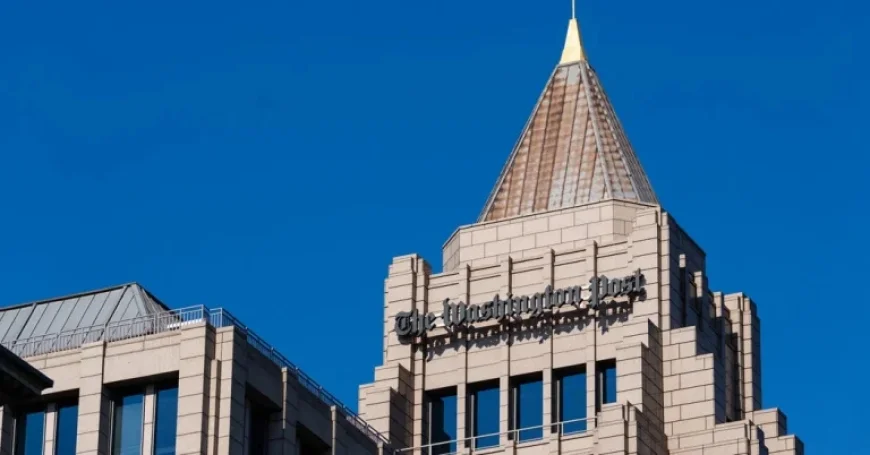
On Wednesday, FBI agents executed a search at the residence of Washington Post journalist Hannah Natanson. This investigation is part of a broader inquiry into allegations surrounding the sharing of classified government information.
Unprecedented FBI Search of Journalist’s Home
Typically, federal inquiries into classified information leaks do not involve searches of journalists’ homes. Usually, these investigations rely on examining phone records or email communications. The search of Natanson’s home marks a significant deviation from this norm.
Details of the Investigation
The search warrant and accompanying FBI affidavit highlight the investigation’s focus on Aurelio Perez-Lugones. He is a system administrator from Maryland with top-secret security clearance. Perez-Lugones has been accused of improperly accessing classified documents, which were later discovered at his home in a lunchbox and a basement.
Response from the Washington Post
A spokesperson for The Washington Post stated that the publication is closely monitoring the situation. Natanson has been reporting on the Trump administration’s attempt to restructure the federal workforce, capturing the concerns of federal employees about these changes.
Impact on Journalism
Jameel Jaffer, director of the Knight First Amendment Institute, expressed alarm over the search. He commented that it raises significant concerns regarding the chilling effect on journalistic practices. Jaffer noted that there are crucial limits to the government’s power to conduct searches that could infringe on First Amendment activities.
Journalists Speak Out
In her reporting, Natanson shared messages from federal employees about their hesitance to leak information, highlighting the personal risks many perceive. One Defense Department employee stated, “I understand the risks, but getting the truth and facts out is much more important.” Another Justice Department staff member remarked, “I’d never thought I’d be leaking info like this.”
Historical Context of Leak Investigations
Last year, the Trump administration reversed a policy that restricted the Justice Department’s ability to investigate journalists’ data in leak cases. Attorney General Pam Bondi justified this reversal by citing the need to protect sensitive information. She emphasized that unauthorized disclosures threaten national interests and could harm the American public.
Since taking office, President Trump has consistently vocalized his frustrations with leaks, even facing criminal accusations related to mishandled classified materials after his presidency. Notably, during his administration, the Justice Department sought communications records from journalists at major news outlets like The Washington Post, The New York Times, and CNN, though without executing home searches.
Conclusion
The FBI’s search of a journalist’s home marks a troubling precedent in investigative practices. The implications for press freedom and journalistic integrity are profound, raising critical questions about the relationship between government authorities and the press.