

























Eager to Navigate the Strait of Hormuz: Open to Alternative Routes

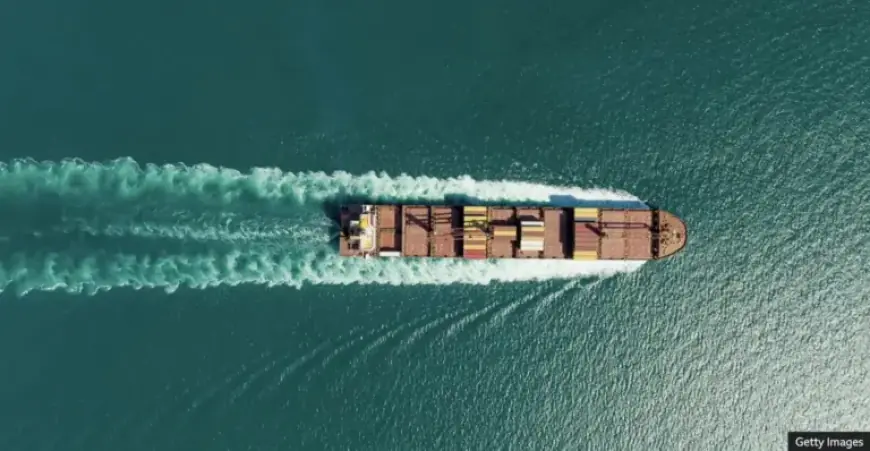
A tanker loaded with 2.1 million barrels of crude oil is seeking passage through the Strait of Hormuz. The waterway is currently closed because of a geopolitical blockade that halts transit.
Shipment and immediate stakes
The cargo represents a major supply for several regional economies. Without delivery, fuel and heating availability could tighten considerably.
Officials warn that distribution shortfalls would affect millions of people. Many households could face higher energy costs this season.
Economic ripple effects
Traders say the shipment is vital to local markets across the Persian Gulf. Disruptions may undermine economic stability in dependent nations.
Analysts link prolonged closures to wider market volatility. Energy-dependent sectors could see cascading impacts on prices and supply chains.
Blockade and uncertainty
The blockade has created urgent logistical challenges for shippers. Requests for exceptions are increasing amid growing concern.
There is no confirmed timetable for reopening the strait. That lack of clarity complicates planning for carriers and recipient states.
Who is affected
Leaders in the region and citizens of developing nations are named among those relying on the cargo. Governments face pressure to find alternatives quickly.
Alternative routes and options
Some operators are Eager to Navigate the Strait of Hormuz: Open to Alternative Routes as delays persist. They are evaluating longer sea passages and overland transfers.
Alternative logistics add cost and time. But they may offer short-term relief while the strait remains closed.
Filmogaz.com will continue to monitor developments. Updates will be provided as new information becomes available.