
























“Iran’s Revolutionary Guards Threaten to Destroy TUI Cruise Ship”

The conflict between Iran and Western forces has entered a volatile new phase. A ceasefire is in place, but tensions remain high across the region.
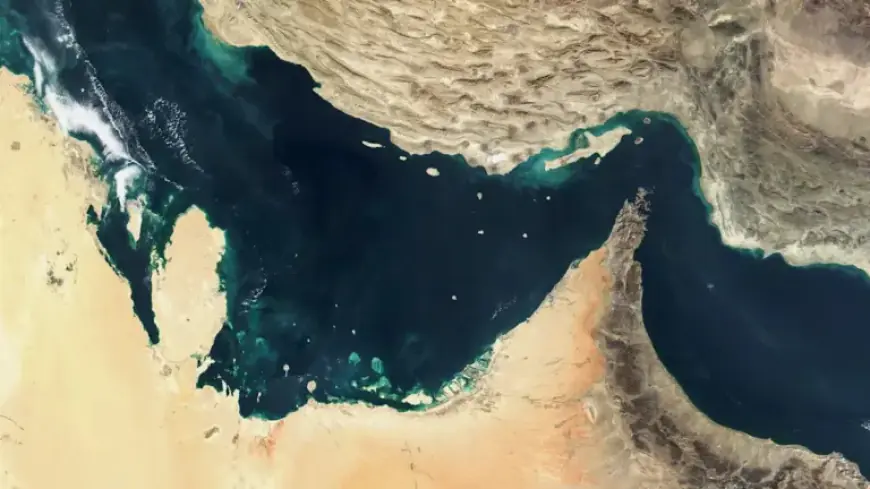
Strait of Hormuz: control and reversals
Tehran announced on Friday that it would lift a weeks-long blockade of the Strait of Hormuz. The military rescinded that decision the next day, citing an ongoing US blockade of Iranian ports.
Iran’s forces insisted the waterway remains under strict Iranian control. They warned that the passage of ships follows routes and rules set by Iran.
Attacks on commercial vessels
Maritime authorities reported that Iranian Revolutionary Guards fired on at least one tanker. The attack occurred about 37 kilometres north-east of Oman, according to the UK Maritime Trade Operations office.
Security firm Vanguard Tech named the damaged tanker as the Sanmar Herald. The vessel sails under the Indian flag. Windows on the ship’s bridge were struck, but the crew remained safe.
Threat to cruise ship
Revolutionary Guards fired near a cruise vessel and issued threats to a TUI cruise ship. The guard units reportedly told the cruise crew they would “shoot and destroy” if challenged.
The ship involved was the cruise liner Mein Schiff 4. Local reports recorded a nearby impact. No damage to the vessel was officially confirmed.
TUI Cruises said Mein Schiff 4 and Mein Schiff 5 successfully transited the strait and continued toward the Mediterranean. A company spokeswoman declined further comment to AFP.
Diplomatic fallout and negotiations
Iranian deputy foreign minister Said Chatibsadeh said Tehran is not ready for direct talks with the United States. He blamed “maximalist” US demands and called first for a framework agreement.
Chatibsadeh spoke at a diplomacy forum in Antalya, Turkey. He also rejected any handing over of enriched uranium to the United States.
US President Donald Trump asserted plans to secure Iranian uranium and said the United States would retrieve the material. US officials and diplomats continue to debate options.
Regional and international responses
The US Central Command reported it was enforcing a sea blockade. Centcom said 23 ships complied and returned toward Iran.
India summoned the Iranian ambassador after reports of attacks on ships with Indian connections. The Netherlands activated the first stage of an energy crisis plan amid supply worries.
Pakistan has been active in mediation. Its army chief concluded a visit to Tehran aimed at supporting de-escalation talks.
Security and humanitarian impacts
A French UNIFIL soldier was killed in an attack in southern Lebanon, and three other French peacekeepers were injured. France condemned the assault and called for those responsible to be held to account.
Hezbollah denied involvement in the UNIFIL attack and urged restraint pending investigations by Lebanese authorities. Displaced civilians have begun returning to damaged areas under the ceasefire.
Energy and shipping outlook
Data providers warn that normalisation of shipping through Hormuz will take months. Many major carriers remain cautious.
Kpler and other firms report that traffic is limited to authorised corridors. Some convoys turned back amid unclear and shifting orders. Hapag-Lloyd and other companies are avoiding the route for now.
Nuclear material and third‑party proposals
The IAEA reported Iran held roughly 440.9 kilograms of uranium enriched up to 60 percent as of June 13, 2025. US proposals have included securing or removing that material under a potential settlement.
Sources told the AP that China may be willing to accept or downblend some Iranian uranium. Tehran has so far denied plans to transfer enriched material to the United States.
Filmogaz.com will monitor developments and provide updates as further details emerge.