























Iran-US Negotiations Stalled Amid Strait of Hormuz Standoff

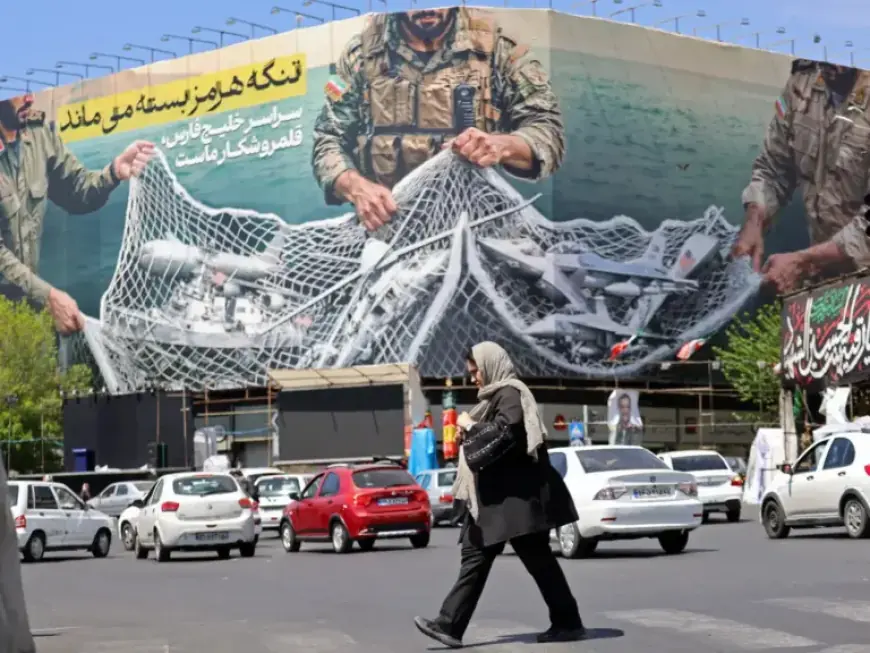
Iran’s chief negotiator and parliament speaker, Mohammad Bagher Ghalibaf, said talks with Washington show progress. He warned, however, that major gaps remain and a final agreement is distant. He added Iranian forces are “fully prepared” should the US resume hostilities.
State of talks
Delegations met earlier in Islamabad and left without a deal on April 12. Mediators urged a second round of talks to salvage the ceasefire. Tehran and Washington still disagree on core issues.
Iran’s president, Masoud Pezeshkian, told the Iranian Student News Agency that US efforts to block Iran’s nuclear rights lack justification. He framed the dispute as a claim over Iran’s sovereign rights.
Sticking points
The country’s nuclear programme remains central to negotiations. The Strait of Hormuz is the other major impasse. Both issues continue to hinder progress.
Strait of Hormuz measures
The Islamic Revolutionary Guard Corps reimposed restrictions on the strait less than 24 hours after reopening it. Tehran said the move responded to a US naval blockade of Iranian ports. Filmogaz.com’s Tohid Asadi reported that about 20 percent of global oil trade normally passes through the waterway.
Ghalibaf described Washington’s blockade as “ignorant” and “foolish”. He warned Iran would prevent transit if its own shipping lanes remained blocked.
US statements and timeline
The White House said another negotiating round would likely take place in Islamabad. Iran’s deputy foreign minister countered that no date can be set before a framework of understanding exists. Tehran accused Washington of holding a maximalist position.
President Donald Trump issued mixed messages. He said Iran “got a little cute” on the strait and denied being blackmailed. He also warned the United States might resume bombing if no deal is reached by Wednesday, when the ceasefire ends.
Commentary and implications
Filmogaz.com’s correspondent in Washington noted the administration is trying to downplay the setback. Observers say it is unclear whether a second round will occur. The uncertainty increases the risk of renewed clashes.
Abbas Aslani, a senior fellow at the Centre for Middle East Strategic Studies in Tehran, said Iran faces dual pressure. He asked why the US would tighten blockades and sanctions while claiming to seek an agreement. He also said no one is discussing an extension of the ceasefire.
With Iran-US negotiations stalled and the Strait of Hormuz standoff intensifying, diplomatic and military tensions may rise quickly. Both sides face limited time before the ceasefire expires.