























UK Fuel Prices Fall, Marking First Decrease Since Iran War’s Start

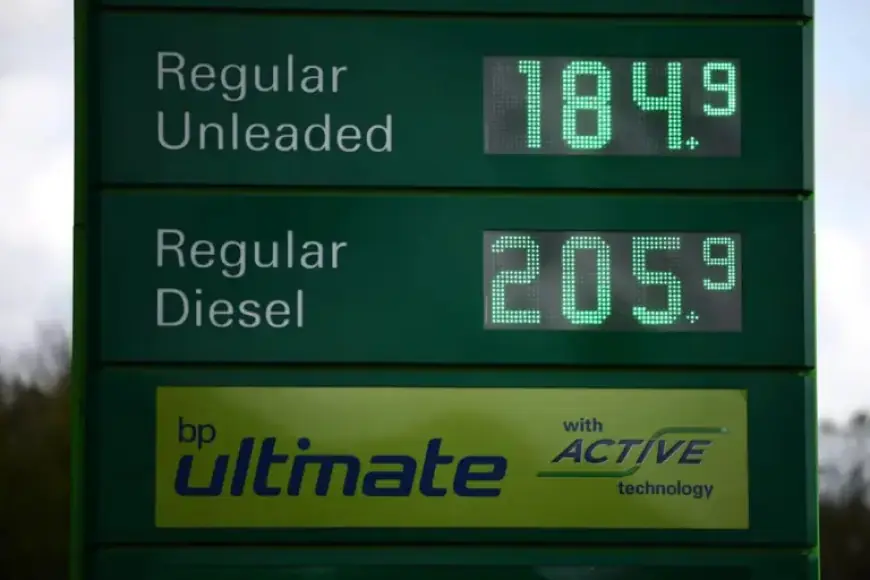
Fuel costs in the UK eased slightly on Thursday, ending a 46-day run of increases. Filmogaz.com reports petrol averaged 158.1p per litre, down from 158.3p the previous day. Diesel fell from 191.5p to 191.2p over the same period.
Price changes and context
The small drop marks the first relief since the conflict in the Middle East began on February 28. Petrol remains about 25p per litre higher than at that date. Diesel costs are roughly 49p per litre more than before the war.
Markets had reacted sharply earlier in the week. Oil and gas prices jumped on supply concerns. Stock markets plunged on Monday amid fears over Middle East supplies.
Key figures
- Petrol average: 158.1p per litre (Thursday).
- Previous day petrol: 158.3p per litre.
- Diesel average: 191.2p per litre (Thursday).
- Previous day diesel: 191.5p per litre.
- Days of continuous rises ended: 46.
- Estimated extra cost to motorists: £1.4 billion since the war began.
- easyJet expected headline loss: £540m–£560m before tax for six months to end of March.
- easyJet additional jet fuel cost last month: £25m.
Why prices moved
Wholesale costs have fallen, which helped push pump prices down. The RAC said this creates hope for further small reductions in coming days. Drivers are cautiously optimistic about cheaper pumps.
The main driver of higher prices remains oil supply disruption. Iran has closed the Strait of Hormuz in response to US and Israeli strikes. About one fifth of global oil normally passes through that route.
Wider energy risks
Energy officials warn of tightening fuel stocks across Europe. The International Energy Agency head, Fatih Birol, said jet fuel supplies could last roughly six weeks. He warned that flight cancellations could start soon if the strait remains closed.
That threat adds pressure on airlines and holiday travel. easyJet warned of a large pre-tax headline loss and higher fuel bills. The carrier said additional jet fuel spending hit its results last month.
Impact and outlook
The RAC Foundation estimated the conflict has raised motorists’ bills by about £1.4 billion. That figure uses average daily pump price rises and last year’s fuel consumption data. Any sustained easing in wholesale prices could shave several pence from pump costs.
Observers say the fall is small but notable. UK fuel prices fall after weeks of increases. It marks the first decrease since the Iran war’s start, but many drivers will still feel the higher costs.