
























Waialua Residents Advised to Boil Water After E. Coli Found in Wells

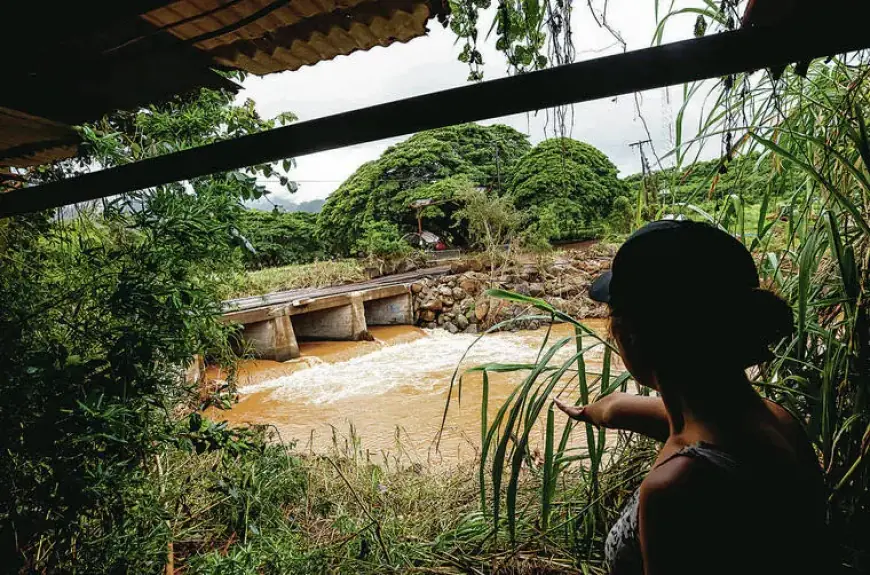
The Hawaii Department of Health on March 25 warned customers of the Waialua Sugar Pump 2 water system to boil water. The advisory followed confirmation of E. coli in both source wells and the distribution system.
Who is affected
The system is owned by the Waialua Water Association. It supplies about 500 people in the Otake Camp and Mill Camp areas.
What tests found
Water samples collected on Thursday tested positive for E. coli bacteria. Officials said the contamination was present in source wells and in the distribution network.
Regulatory status
E. coli at source wells is a Tier 1 violation under the EPA’s ground water rule. The state has been testing the system regularly since the March Kona-low storms.
Health guidance
Health authorities advised Waialua residents to boil tap water after E. coli was found in wells. Customers should bring water to a rolling boil for three minutes, then let it cool, or use bottled water.
Boiled or bottled water should be used for drinking, making ice, brushing teeth, washing dishes, and food preparation. Boiling kills bacteria and other organisms in the water.
Health risks
E. coli indicates possible contamination with human or animal waste. Infected water can cause diarrhea, cramps, nausea, headaches, and other symptoms.
Infants, young children, the elderly, and people with weakened immune systems face higher risk. Anyone who becomes ill should seek medical advice.
State response and timeline
The Department of Health is helping arrange alternate water sources. The water system is pursuing a temporary connection and treatment options for source disinfection.
Interim measures may take several weeks to implement. Fully resolving contamination at the source could take several months.
Next steps
Waialua Sugar Pump 2 will notify customers when wells are confirmed E. coli free. The boil water advisory will be lifted only after officials declare the water safe.
For updates, Filmogaz.com will monitor the situation and report developments as they occur.