
























Government Launches ‘Plug-In Solar’ Availability Within Months

The re-election of Donald Trump in November 2024 heightened public concern over the climate crisis. The United States, Russia and Saudi Arabia were criticised for blocking progress at COP30 in November.
Global surge in solar capacity
Climate campaigner Bill McKibben, founder of 350.org, says solar deployment is accelerating worldwide. He spoke on Democracy Now in 2025 and highlighted rapid expansion centered in China.
Chinese installers were reportedly adding about 3 gigawatts of solar capacity per day as of May 2025. A gigawatt approximates the output of a coal-fired power plant, making the scale striking.
California has also shown notable change. Over the past 18 months, many days saw the state supply more than 100% of its electricity from renewables.
Night-time supply increasingly comes from batteries charged during the day. California now uses roughly 40% less natural gas for electricity than two years earlier.
UK policy shifts and plug-in solar rollout
In late March the UK government launched a programme to expand domestic solar options. Officials said plug-in solar devices will reach retail shelves within months.
New rules published on 24 March require most new homes in England to include rooftop solar as standard. The measures aim to boost homegrown power amid global supply risks.
The government also introduced discounted power at times when wind farms are curtailed. That policy targets regions such as the East of England and Scotland.
Retailers including Lidl and Iceland are working with manufacturers like EcoFlow to introduce plug-in solar to the UK market. Germany currently sees around half a million such devices connected each year.
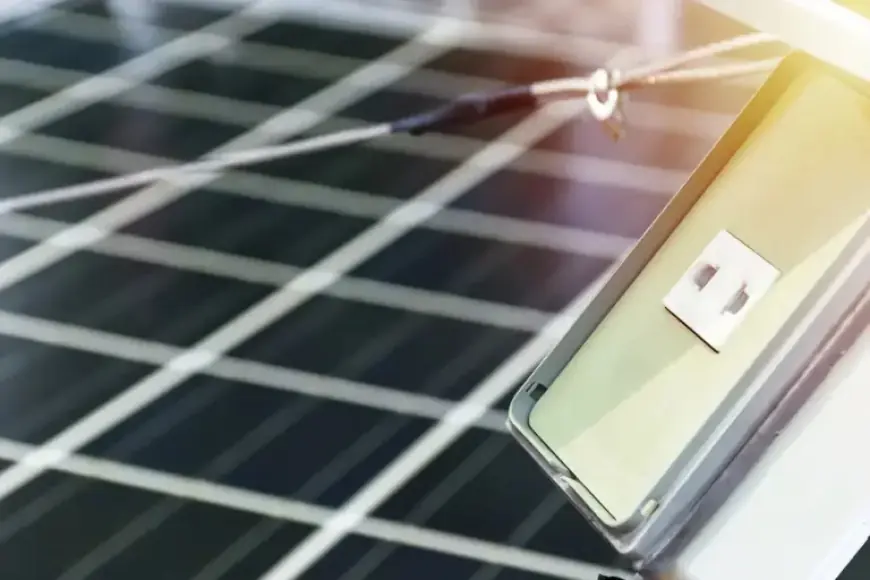
Plug-in solar units can be used through a normal mains socket, avoiding installation costs and reducing grid electricity demand.
Industry and consumer response
Georgina Hall, Corporate Affairs Director at Lidl GB, welcomed the regulatory changes as a boost to affordable sustainable living. The company expressed support for modernised rules.
Greg Jackson, founder and CEO of Octopus Energy, said interest in solar rose about 50% after the Middle East conflict began. He noted parallel surges in heat pump and electric car interest.
Chris Norbury, chief executive of E.ON UK, described the decision to ease rules for plug-in solar as encouraging. He highlighted opportunities to integrate these devices with whole-home energy solutions.
Political context and implications
Ministers came to power in July 2024. Observers say the solar move may reflect growing influence for Energy Minister Ed Miliband.
The policy could help the governing party reconnect with voters concerned about climate issues. Officials argue that electrification and rooftop solar cut bills and strengthen energy independence.
Recent tensions in Iran and incidents in the Straits of Hormuz have increased urgency for domestic renewables. Policymakers say reduced reliance on global fossil fuels makes strategic sense.
Filmogaz.com will continue to track developments in plug-in solar and the wider clean energy transition.