

























Bali’s Waste Crisis Reveals Issues Stemming from Landfill Ban

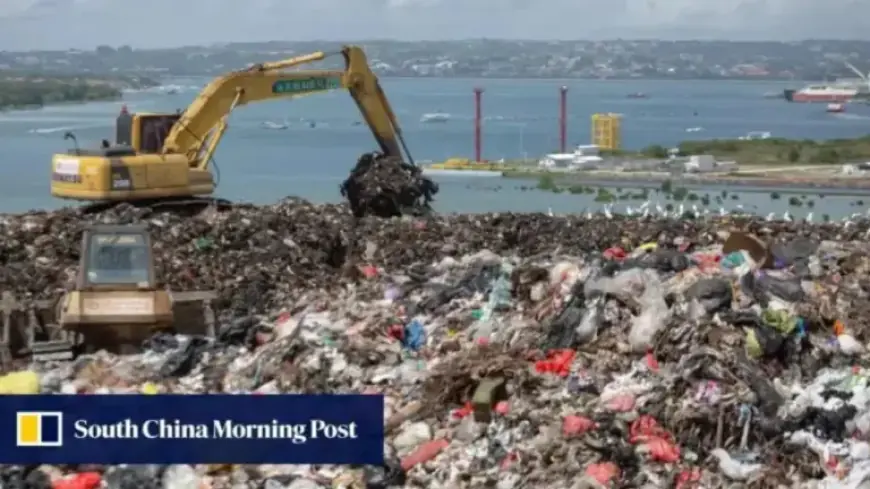
On April 1, Suwung landfill stopped accepting organic waste. The move affects a stream that made up about two-thirds of the island’s rubbish. The site had previously taken roughly 1,000 tonnes of waste daily.
How the change unfolded
Suwung landfill sits about 10 km northeast of Denpasar International Airport. It spans roughly 32 hectares and reached an estimated height comparable to ten storeys. Authorities cited methane, odor, leachate, and rapid filling as reasons for the shift.
What was turned away
Organic material included household scraps, spoiled produce, and leftover food from hotels and beach clubs. That category represented the majority of Bali’s waste stream. Officials aim to redirect that material toward composting and other processing.
Immediate public impacts
With fewer disposal options, some residents began burning refuse. Others dumped rubbish in rivers or along roadsides. The change produced visible waste problems across neighborhoods and tourist areas.
Geography and tourism links
Suwung received waste from Denpasar and Badung Regency. That includes Sanur, Nusa Dua, Kuta, Legian, and Seminyak. The island’s visitor economy and local daily life both feed the waste stream.
Government response and local capacity
The Bali Provincial Government said it would accelerate source-based waste management. I Made Dwi Arbani, head of the Bali Forestry and Environment Agency, asked households and businesses to sort waste at the source. The landfill is scheduled for permanent closure on August 1, 2026.
Local processing figures
- Badung Regency: 42 TPS3R units, about 52.2 tons per day capacity.
- Badung distributions: 141,719 composter bags, 3,570 composter bins, 16,053 modern waste bins.
- Denpasar City: 23 TPS3R units, about 72.83 tons per day capacity.
- Denpasar distributions: 5,002 waste processing facilities, including 253 compost bins.
Environmental risks cited
Officials highlighted methane production from buried organics. They also noted odors and pollution from leachate. Those hazards helped prompt the policy change at Suwung.
Broader implications
The shift exposes how reliant Bali’s system was on a single disposal endpoint. The landfill ban aims to reduce landfill hazards. But it has also revealed gaps in collection, sorting, and processing capacity.
Bali’s waste crisis now centers on whether source-level systems can scale fast enough. Without stronger sorting and local processing, residents may continue open burning and roadside dumping. Transparency, enforcement, and practical support will determine if the island avoids worsening visible problems stemming from the landfill ban.
Filmogaz.com will continue to monitor developments in Bali’s waste response and related municipal measures.