

























U.S. Blockade on Iran Shows Effectiveness and Success

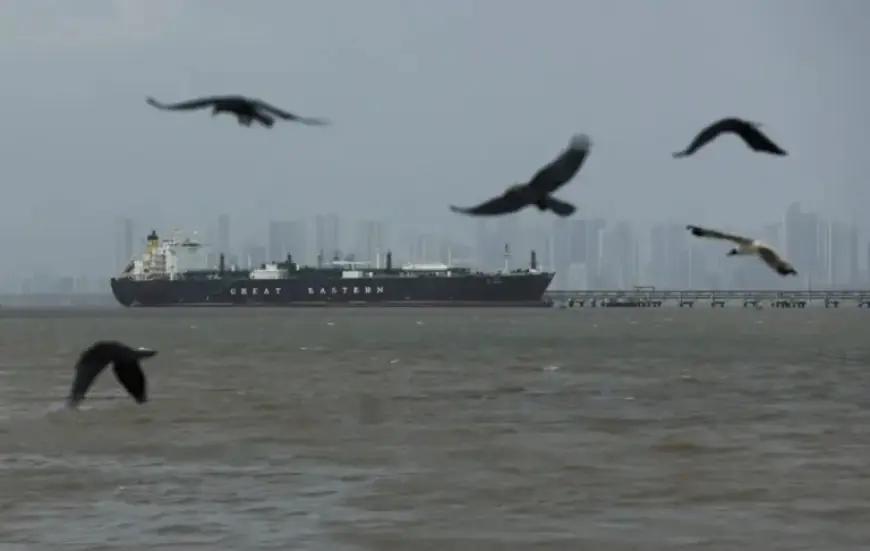
The U.S. naval blockade against Iran has begun to show tangible results. Shipping data firms report that numerous Iran-linked or sanctioned vessels have halted, reversed course, or obscured their locations since the blockade began Monday.
Enforcement and tactics
U.S. Central Command says the blockade is in effect beyond the Strait of Hormuz. Adm. Brad Cooper described measures that aim to stop maritime trade to and from Iranian ports.
The Navy is enforcing the action impartially against vessels entering or leaving Iranian coastal areas, CENTCOM said. A U.S. official added forces observe ships leaving Iranian facilities, then intercept them after they clear the strait.
Surveillance beyond AIS
The military is relying on more than automated identification beacons. Those beacons are called AIS and can be switched off or spoofed.
Analysts say ships have been “running dark” or transmitting false positions. Such behavior complicates navigation and enforcement.
Shipping behavior and examples
Data firms reported that no vessels cleared CENTCOM forces in the first 48 hours. Ten ships complied with orders to turn back, the command said.
- Ana Subasic of Kpler noted only eight vessels transited the strait on the blockade’s first full day. She called the environment extremely high risk.
- The tanker Rich Starry, once sanctioned for smuggling, entered the Persian Gulf on April 4 empty. It later turned off its transponder for over a week. Public tracking showed it reappearing off the UAE with oil, then reversing course in the Gulf of Oman.
- The oil-products tanker Elpis passed the strait but later cut its engines in the Gulf of Oman. Tracking then showed its radio transponder turned off.
Industry analysis
Maritime intelligence group Windward described the pattern as a fragmented response. Some sanctioned or falsely flagged vessels continue risky movements. Others delay or reverse course.
Lloyd’s List Intelligence warned shipowners face fresh uncertainty over enforcement. That uncertainty is affecting route choices and cargo movements.
Economic and security impacts
Iran had previously threatened and attacked shipping in the strait. Those actions disrupted about 20% of typical daily oil consumption.
Attacks killed 11 crew members and forced major route changes. Ship traffic has fallen by more than 90% in the high-risk area.
Iran now vets vessels seeking passage. The Islamic Revolutionary Guard Corps requires detailed cargo and crew information. Kpler reports it also charges $1 per barrel for oil or fuel products to ships that pass.
Legal framework and exceptions
The blockade’s notice to mariners places enforcement in the Gulf of Oman and Arabian Sea. That means simply transiting the Strait of Hormuz does not guarantee freedom from interception.
U.S. guidance allows inspected passage for humanitarian shipments. The U.S. Naval War College guide, cited by maritime historian Sal Mercogliano, notes international law forbids blockades meant solely to starve civilians.
Tehran’s warning and possible escalation
Iranian military officials warned of a broader shutdown if the blockade persists. Ali Abdollahi said Iran could block exports and imports across the Persian Gulf, Sea of Oman, and Red Sea.
Iran faces storage and refining limits. If it cannot export, storage will fill and wells may be shut down. The country also imports gasoline due to limited refining capacity.
Outlook
For now, the U.S. blockade appears to be producing results. Vessels linked to Iran are stopping, reversing, or masking locations.
The action is increasing pressure on Iranian trade and adding uncertainty for global shipping. Observers say the U.S. blockade’s effectiveness and signs of success will depend on sustained enforcement and diplomatic developments.
Filmogaz.com