























Bali Residents Burn Trash Following Organic Waste Landfill Ban

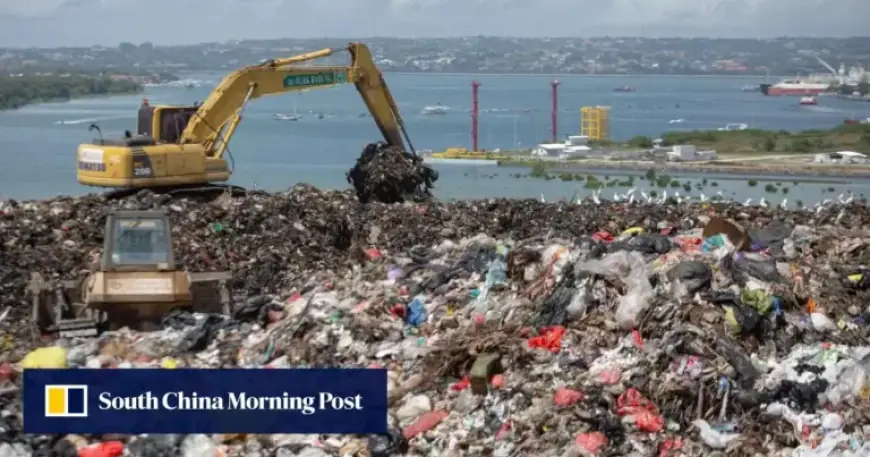
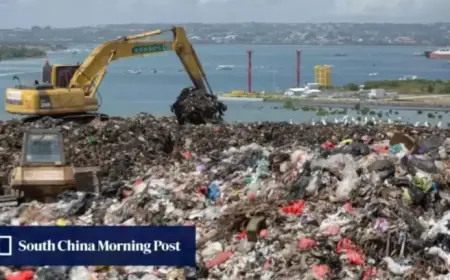
The partial closure of Suwung landfill has forced thousands of residents to burn rubbish in their gardens. Suwung sits about 10km northeast of Denpasar International Airport. The site previously handled roughly 1,000 tonnes of waste per day.
Landfill restrictions and response
Authorities said the site would stop accepting organic waste from April 1. Officials said the change aims to redirect food scraps to composting or other proper facilities.
Waste composition and sources
Organic waste makes up about two-thirds of Bali’s total rubbish. This includes household scraps, spoiled produce and leftovers from the island’s hundreds of hotels and beach clubs.
Community coping and consequences
With few alternatives available, residents have begun to burn trash at home. Many Bali residents now burn trash following the organic waste landfill ban. Some people have also dumped refuse in rivers or along roadsides.
Environmental and health impacts
Once buried, organic waste produces methane, a potent greenhouse gas that contributes to global warming. Open burning increases local air pollution and raises public health concerns.
A pile of waste was visible on Kuta beach during the Eid al-Fitr holidays on March 25. The growing pressure on Suwung highlights the island’s urgent waste management needs.