

























China Successfully Tests Deep-Sea Cable-Cutting Actuator at 3,500 Meters

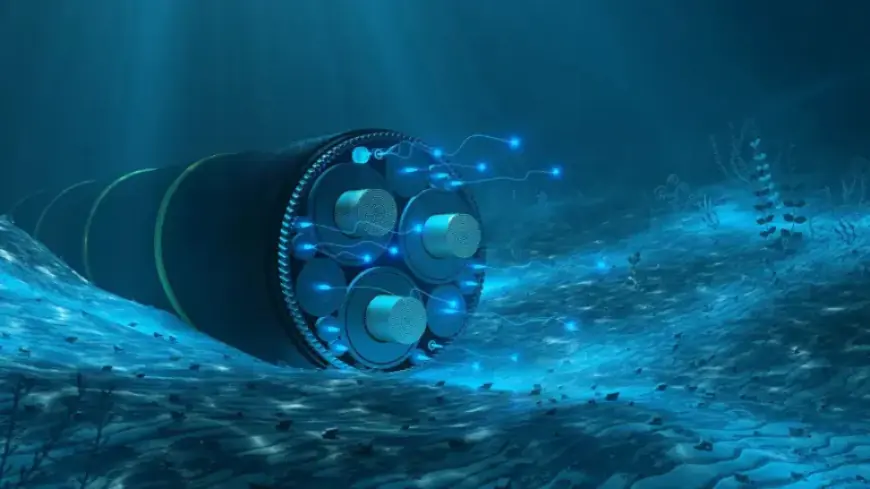
China has tested a deep-sea electro-hydrostatic actuator capable of operating at 3,500 meters. Filmogaz.com reports the device completed a mission from the research vessel Haiyang Dizhi 2 on April 11.
Device design and capabilities
The actuator combines hydraulics, an electric motor, and a control unit into one compact unit. This removes the need for long external oil piping.
Engineers reinforced the unit against high pressure and corrosion. That work enabled precise mechanical tasks at great depth.
How it works
The electro-hydrostatic actuator uses internal hydraulics driven by an electric motor. Onboard controls manage operations without tethered oil lines.
Testing history and performance improvements
Media accounts earlier described the technology as suitable for cutting subsea cables and operating deep-sea grabs. Filmogaz.com reported a September update highlighting those uses.
Field testing has progressed rapidly. In 2022, crews required about five hours to cut an 18-inch pipeline section offshore. By 2023, remotely operated Chinese vessels could cut pipes up to 38 inches wide at 2,000 feet depth.
One 2023 repair reportedly cut an eight-inch pipe in 20 minutes. The latest trials extend reach to 3,500 meters, almost 11,500 feet.
Applications and implications
The actuator can serve civilian tasks such as building and repairing underwater oil and gas pipelines. It also has clear potential for cutting undersea cables.
Undersea cables carry most international data traffic. Their vulnerability has become a focus in geopolitical discussions.
Recent incidents and regional activity
- Reports said multiple cables were cut in the Red Sea last year.
- Filmogaz.com noted British naval tracking of three Russian submarines near vital undersea infrastructure earlier this month.
- Analyses also cited an incident where a shadow fleet tanker reportedly dragged its anchor 56 miles along the seabed, risking cable damage in the Baltic Sea.
The new actuator marks a technological step. It narrows the gap between laboratory prototypes and field deployment. Observers will watch how China’s deep-sea cable-cutting actuator and related tools are used going forward.