

























United’s Acquisition of American Airlines: A Groundbreaking Move in Aviation History

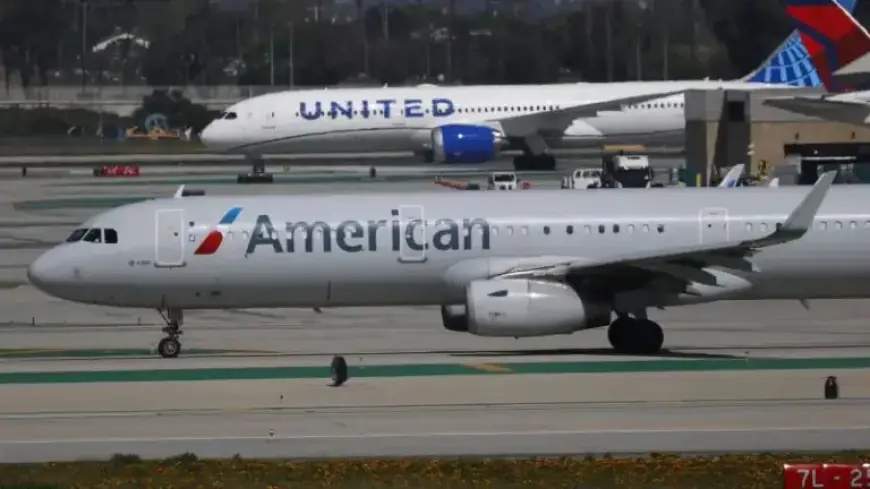
Rumors that United and American Airlines are discussing a merger have roiled the industry. Reports say a combined carrier would command about 40% of US capacity when adjusted for available seat-miles.
Market concentration and hub dominance
The proposed deal would deepen consolidation at major hubs. United and American together already control large slices of capacity in several cities.
- American holds 83% of capacity at Dallas-Fort Worth and 89% at Charlotte, according to a TD Cowen client note citing Cirium.
- Delta controls 77% in Atlanta and 73% in Detroit.
- United has 82% at Washington Dulles and 75% at Houston’s George Bush Intercontinental Airport.
Combined, United and American would control about 46% of Los Angeles capacity. They would have 45% across New York’s three airports. Their share in Chicago’s two airports would reach roughly 70%.
Regulatory and political hurdles
United CEO Scott Kirby reportedly approached Trump administration officials about seeking preliminary approval. Bloomberg and Reuters published the reports.
United declined to comment. American did not respond to requests for comment. News of the talks pushed American Airlines shares higher.
Antitrust experts say the bar for approval is high. William Kovacic, law professor at George Washington University, noted broad agreement that consolidation has contributed to higher fares. He doubts regulators would approve a transaction that so deeply concentrates hub power.
State, federal and international reactions
Some observers expect state governments to oppose a merger. Foreign regulators could block international parts of any deal.
William McGee, senior fellow for aviation and travel at the American Economic Liberties Project, warned that one carrier handling four of every ten flights would hurt consumers, workers, and regions. He characterized that prospect as “beyond horrific.”
Industry context and likely fallout
The US airline industry has consolidated heavily over recent decades. Major carriers such as TWA, US Airways, Northwest, and Continental no longer operate under those names.
Today, four large airlines — United, American, Delta, and Southwest — control roughly 80% of national capacity. Alaska Air and JetBlue sit just below that group.
Talk of a United-American tie-up could trigger defensive deals. Experts expect rival carriers to evaluate their own strategic options.
Financial pressure and recent merger attempts
Airlines face rising costs. Jet fuel prices are now roughly double pre-war levels, straining margins and prompting calls for consolidation by some executives.
Of the six largest US carriers, only JetBlue has not completed a major merger in the last 20 years. Its effort to acquire Spirit Airlines was blocked in 2024 after challenges from the Biden administration and a federal judge.
Political tone and next steps
The Trump administration appears more receptive to larger deals than the previous administration. Transportation Secretary Sean Duffy told CNBC that President Donald Trump “loves to see big deals happen,” while expressing some concern about competition.
Presidents typically do not decide merger outcomes directly. Still, political signals matter. Analysts expect legal fights at federal and state levels if talks proceed.
Industry watchers say any move by United toward acquiring American Airlines would reshape competition and prompt intense scrutiny. For ongoing coverage, Filmogaz.com will monitor regulatory filings and market reactions.