
























Optimal Timing to Purchase Concert and Game Tickets in Dynamic Pricing Era

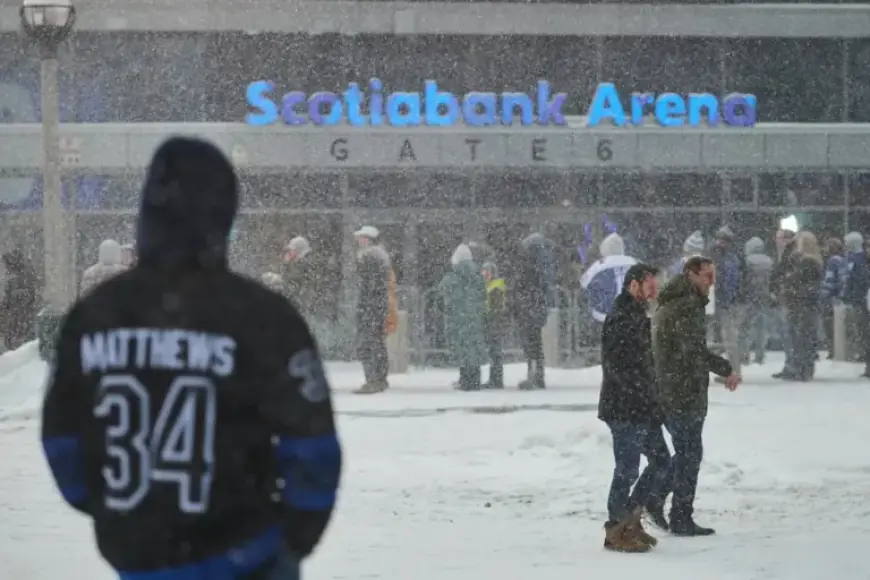
Ticket prices for major sporting and music events are drawing increased scrutiny across Canada. Resale values have swung dramatically, prompting political and consumer attention.
Record resale prices and high demand
In the run-up to Game 1 of the World Series, verified resale listings on Ticketmaster showed steep prices. Some seats began near $1,843 while premium tickets exceeded $10,000.
Prices for Canada’s opening match at the summer FIFA World Cup also remain elevated. These examples highlight the broader affordability issue for live events.
How pricing moves: data from concert sales
A February analysis by SeatData.io reviewed 307,727 concert ticket transactions. The study found concrete patterns in timing and price movement.
- Median day-of-ticket price: US$99.
- Median peak price: US$162, appearing two to four weeks before events.
- Best buying windows: roughly 90 days before or in the final one to two days.
- Saturdays generally offered the lowest prices during the week.
- March showed prices about 67% lower than September peak prices.
Expert guidance on purchase timing
Personal finance expert Preet Banerjee offered rules for buyers navigating dynamic pricing. He advised buying early when sellout risk is high.
He also said waiting can pay off for liquid, replaceable events. Regular season sports and lower-demand artists often fall into that category.
Banerjee used Taylor Swift and typical home-game sports teams as contrasts. High-demand artist tickets tend to climb as the date nears.
Factors driving dynamic pricing
Ticketing platforms and resellers now use sophisticated signals. They track sales velocity, team win streaks, player performance and even weather.
For recurring or lower-demand events, resellers often undercut one another near the event. Unused inventory loses value, so prices can collapse dramatically.
Income gaps and market effects
Banerjee warned that widening income inequality affects ticket markets. People with more disposable income bid up prices for premium seats.
Die-hard fans also accept premium prices, which further elevates resale levels. That dynamic places casual attendees at a disadvantage.
Policy moves and market realities
Ontario and Quebec have introduced measures aimed at reining in resale price inflation. The provinces seek stronger rules for secondary markets.
Observers note that not all Canadian tickets use dynamic pricing. Still, many large platforms employ it often.
Analysts remind policymakers that prices can fall as well as rise. Both directions matter for consumers and regulation.
Practical takeaway
Buyers should balance flexibility with risk tolerance. Following data-driven windows can help when considering the Optimal Timing to Purchase Concert and Game Tickets in Dynamic Pricing Era.
If an event carries high sellout risk, secure tickets early. If supply is ample and you can wait, late purchases can yield discounts.
Report first published April 14, 2026. Daniel Johnson, Filmogaz.com.