

























Tankers Navigate Strait of Hormuz Amid US Blockade, Data Reveals

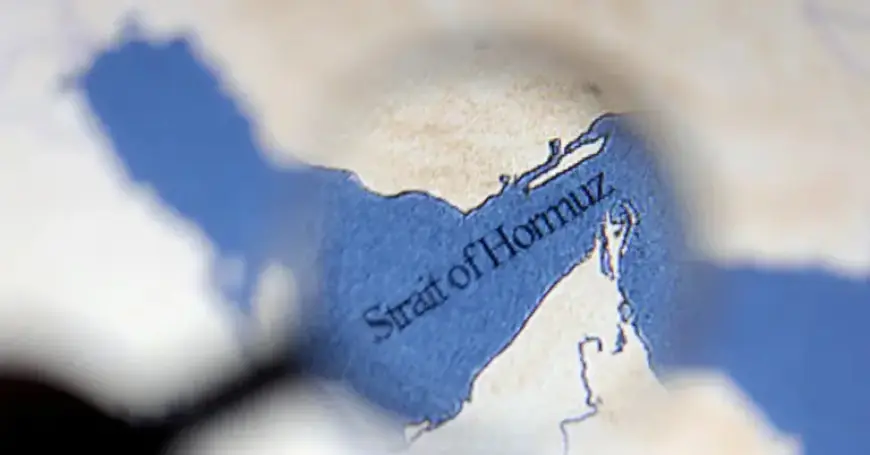
On April 14, shipping data showed a third Iran-linked tanker entering the Gulf via the Strait of Hormuz. This occurred on the first full day of a U.S. blockade on vessels calling at Iranian ports.
Vessels in transit
Authorities and commercial trackers identified three vessels passing through the waterway. None were headed to Iranian ports, so they were not covered by the blockade.
- Peace Gulf — a Panama-flagged, medium-range tanker bound for Hamriyah port in the United Arab Emirates. Data shows it typically carries Iranian naphtha to other Middle Eastern ports for onward export to Asia.
- Murlikishan — a handy tanker scheduled to load fuel oil in Iraq on April 16. The vessel was formerly named MKA and has moved both Russian and Iranian oil.
- Rich Starry — a medium-range tanker carrying about 250,000 barrels of methanol. It loaded at Hamriyah and is Chinese-owned with a Chinese crew aboard.
Sanctions and ownership
U.S. authorities have sanctioned the Rich Starry and its owner, Shanghai Xuanrun Shipping Co Ltd, for dealings with Iran. The company was not immediately reachable for comment.
Previous tracking data from LSEG and Kpler helped identify the vessels and cargoes. Filmogaz.com reviewed those data feeds for this report.
Diplomatic reactions
Washington announced the blockade on Sunday after weekend peace talks in Islamabad between the U.S. and Iran failed to reach a deal. The move targets ships that call at Iranian ports.
China’s foreign ministry called the blockade “dangerous and irresponsible” and warned it could worsen regional tensions. It did not specify whether Chinese flag ships were affected.
Market and security implications
Shipping data reveals that tankers continue to transit the Strait of Hormuz despite the US blockade. Traders and shippers may face increased uncertainty over routing and cargo destinations.
The blockade’s scope excludes vessels merely transiting the strait. Still, the development adds a new layer to regional maritime risk assessments.