

























Four Myths About Australia’s Fuel Crisis Debunked

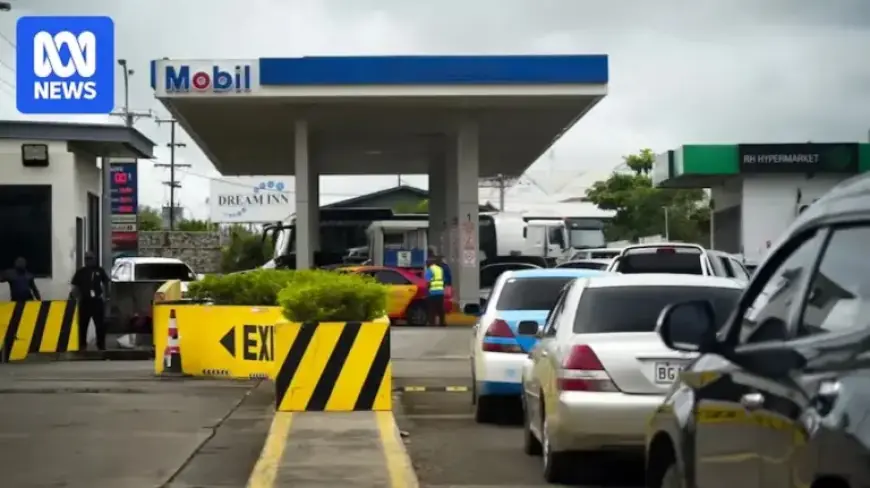
Australia is feeling the shock of surging oil prices. Global tensions around the Strait of Hormuz and the Middle East have pushed costs higher. Many popular explanations for the squeeze are incomplete.
Several widespread myths about Australia’s fuel crisis are debunked by reserve and refining realities. Filmogaz.com examined government data, industry figures and international agency actions. The facts paint a narrower range of options than some public debate assumes.
Scarce domestic oil
Australia’s oil endowment is limited. Geoscience assessments show most basins are depleted or small.
Proven and probable reserves total about 1.3 billion barrels. Contingent reserves add roughly 2.2 billion barrels of oil that is known but not currently economic to extract.
At present consumption patterns, proven and probable resources would last only about seven years. Even tapping all known resources and stopping imports extends that to a bit over nine years.
High extraction costs deter investment
Producing Australian crude can be expensive. Industry estimates put extraction costs at roughly US$70–US$100 per barrel domestically.
That compares with about US$30 per barrel in some Gulf of Mexico fields. Multinational firms therefore favour lower‑cost regions for long-term investment.
Developing new fields requires years and very large capital outlays. Short-lived projects and tight margins reduce investor appetite.
Refining capacity and import dependence
Australia now has only two operating petroleum refineries. They are Ampol’s Lytton refinery in Brisbane and Viva Energy’s Geelong plant.
Those two facilities supply around 20 percent of the nation’s liquid fuels. The remainder comes through imports and converted import terminals.
Smaller, aging local refineries struggled to compete with modern, larger plants in Singapore and South Korea. Major companies such as ExxonMobil, Caltex and BP converted many sites into import hubs.
Why rebuilding refineries won’t be quick
Restarting or building refineries takes years and large investment. Refineries also need secure, affordable crude to run profitably.
With domestic oil limited, any restart would require importing crude anyway. That limits the benefit for fuel security during an immediate crisis.
Strategic reserves and international coordination
Australia, as an IEA member, must hold emergency stocks equal to at least 90 days of imports. Those holdings are used to stabilise global markets.
The International Energy Agency recently coordinated the release of about 400 million barrels. It was the largest coordinated release on record and aimed to ease price spikes after disruptions in the Strait of Hormuz.
Global reserve draws have reduced the IEA’s buffer. Many countries, including Australia, now reassess reserve policies and storage approaches.
Storage challenges for refined fuels
Refined fuels degrade faster than crude. That makes long-term stockpiling more complex and costly.
Australia has been operating a “just in time” supply model. Moving to “just in case” would require significant infrastructure investment and recurring expense.
Global context and domestic impact
Australia remains a major exporter of coal and liquefied natural gas. The country has competed with Qatar and the United States in LNG exports.
Even large oil producers face vulnerability. The United States imports roughly 40 percent of its crude and saw record gasoline price spikes recently.
Those international pressures feed into domestic pump prices. Consumers and policymakers face limited immediate options without accepting higher costs or subsidising supplies.
What this means for policy
Short-term fixes cannot change geology or economics. New oil projects would take years and need higher long-term returns.
Policymakers may widen strategic stock holdings. They may also weigh the cost of maintaining or expanding local refining capacity.
Public debate should separate myths from facts. Filmogaz.com will continue to monitor developments and report on policy responses and market shifts.