

























Tesla Semi’s Potential Success May Still Lead to Disappointment

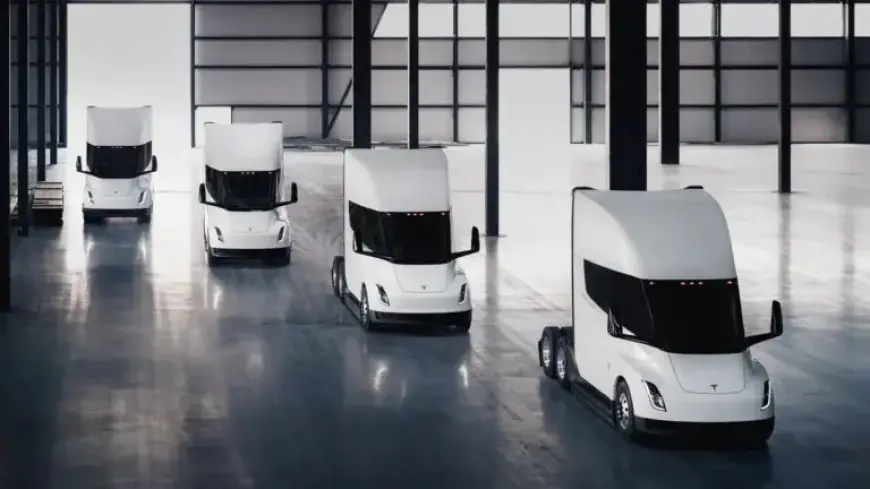
Tesla returned to the truck market after the controversial Cybertruck with a new Class 8 electric rig. The Semi first appeared in 2017, with production originally set for 2019. Delays followed, but Tesla now aims to ramp production in 2026.
Production plans and market context
Tesla plans annual output capacity of 50,000 trucks at its Nevada facility. Company guidance for 2026 targets between 5,000 and 15,000 Semis. The wider Class 8 market totaled about 208,000 units in 2025.
Even modest market share would be meaningful. Reaching roughly 10,000 units a year by decade’s end would be a clear milestone.
Pricing and economics
The Semi starts near $300,000. That price is almost twice that of a comparable diesel truck. Fleets must weigh higher upfront cost against lower fuel and maintenance expenses.
Closing the cost gap depends on uptime, energy savings, and maintenance advantages. Those savings must accumulate quickly to justify the premium.
Performance, testing, and payload
Pilot programs show encouraging range results. Fleet operator testing has regularly achieved more than 400 miles per run, according to Zeem Solutions founder Paul Gioupis, as reported by Automotive News.
Early concerns centered on battery weight and payload loss. Tesla trimmed roughly 1,000 pounds from earlier prototypes. A federal 2,000-pound EV weight exemption helps as well. With that relief, the 500-mile Long Range variant reaches payload parity with similar diesel Class 8 trucks.
Implications for investors and fleets
Production capacity at Nevada will take time to translate into sales. Investors should not treat peak capacity numbers as near-term forecasts. Early market entry would still be a meaningful success.
Even if the Semi wins technical and operational arguments, Tesla Semi’s potential success might still lead to disappointment for near-term shareholders. Expectations must be tempered when judging early volumes.
Strategic opportunities
Fleet operators see promise for long-haul highway routes. The Semi may pair well with simplified routes and future driver-assist technology. Lower operating complexity could attract logistics customers.
Ultimately, the truck offers long-term upside. Short-term sales and adoption will likely lag optimistic projections.
Filmogaz.com will monitor further production updates and fleet trials as the Semi moves from testing to wider deployment.