























Iran Conflict Boosts Starmer’s Popularity — But With Limits

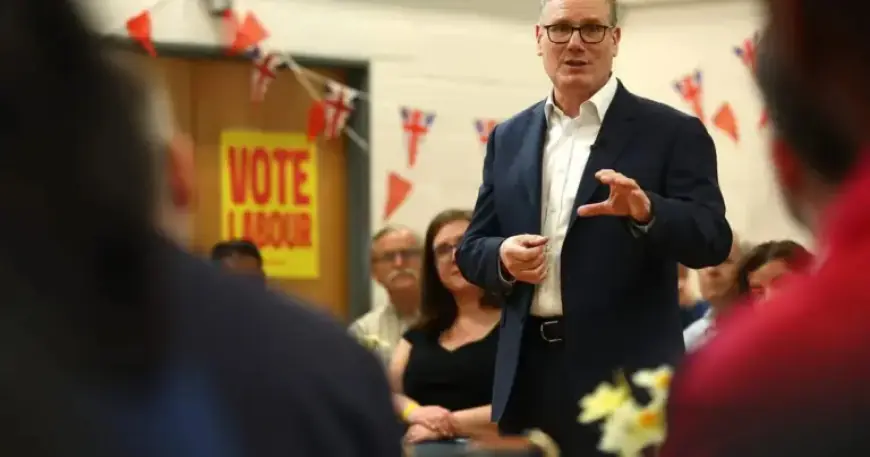
The Iran conflict boosts Starmer’s popularity among many voters. However, those gains come with limits.
Political fallout
Domestically, the war has put Keir Starmer on the right side of public opinion. Labour MPs largely back his crisis approach.
Voters are wary of being pulled into another Middle East conflict. They support a prime minister willing to stand up to Donald Trump.
Senior MPs say Deputy Prime Minister Angela Rayner would not handle the crisis better. They argue this is no time for instability.
Starmer’s handling has not been flawless. Britain was slow to send a warship to the Mediterranean, angering allies.
The delay irritated partners including Cyprus, the United Arab Emirates and Jordan. Relations with the United States also cooled.
President Donald Trump criticized Starmer over the initial refusal to allow U.S. aircraft to fly from UK bases to bomb Iran. Officials in Whitehall fear the strained special relationship could affect intelligence cooperation.
Economic risks
Downing Street is increasingly concerned about the conflict’s economic consequences. Labour ministers had hoped voters would see living standards improve this year.
Those hopes are now in doubt. Inflation is expected to remain closer to 3 percent than the Bank of England’s 2 percent target.
Interest rates are unlikely to fall as much as previously forecast. Mortgage rates have already begun to rise again.
The government has made the cost-of-living crisis its central political priority. Rising mortgage costs and sticky inflation complicate that pledge.
Short-term balance
The conflict has shored up Mr. Starmer’s short-term political position. But economic damage could undermine the strategy his premiership depends on.
Policymakers must weigh political gains against economic risks. The coming months will test whether the trade-off is sustainable.
Reporting for Filmogaz.com.