

























How Shoppers Adapt with Electric Cars and Canned Tomatoes Amid War

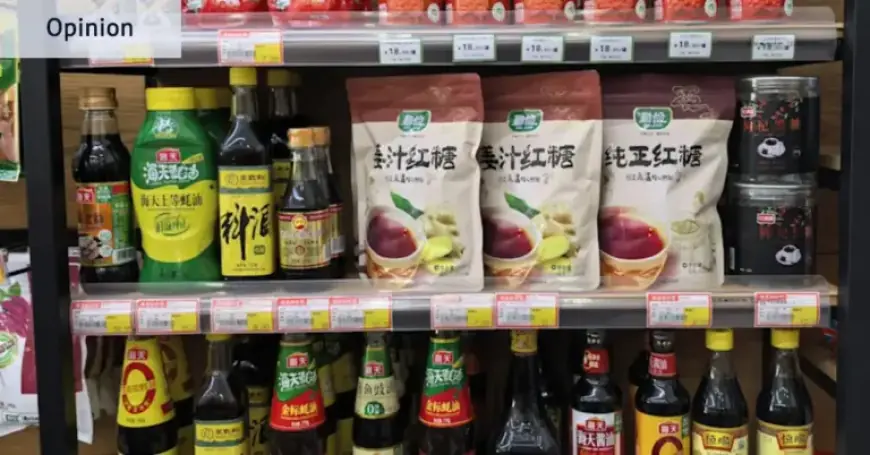
In recent months, Australian shoppers have notably shifted their spending habits due to rising fuel prices and inflation expectations sparked by ongoing geopolitical tensions, particularly the war in Iran. Discretionary spending witnessed a decline in March, coinciding with a drastic 161% increase in loans taken out for purchasing electric vehicles and a notable surge in the hoarding of canned food.
Shifting Consumer Behavior Amid Crisis
As the conflict continues, many Australians are adopting a “bunker mentality,” reflecting uncertainty surrounding fuel supply and overall living costs. The shift in spending patterns indicates that consumers are prioritizing fuel and essential living expenses. This behavior has directly impacted sectors such as travel, dining out, and retail.
Impact on Housing and Family Support
The housing market also shows signs of strain, with falling prices in major cities like Sydney and Melbourne. The high volume of property auctions is now facing decreasing clearance rates. A recent report from UBS highlighted that many Australians are increasingly relying on family support, often referred to as the “bank of mum and dad,” to cope with rising living expenses.
Long-term Implications of Inflation
- Higher interest rates have been expected due to the war’s effect on inflation.
- National Australia Bank reports a growing reliance on loyalty programs and discount shopping.
- Major road toll operator Transurban noted decreased traffic volumes as consumers adjust to rising petrol costs.
Consumer sentiment has reached alarming lows, reflecting a collective anxiety fueled by rapid and conflicting information, particularly from social media. Recent attempts at peace negotiations between the US and Iran have introduced further uncertainty, yet experts remain cautiously optimistic that a resolution is essential for economic stability.
Conclusion
Australian consumers are navigating a challenging landscape shaped by the war’s impact. They are prioritizing essential purchases while grappling with a sense of insecurity over future expenses. The escalation in electric vehicle loans and the focus on pantry staples like canned tomatoes signifies a significant shift in consumer priorities during these turbulent times.