

























Shoppers Drug Mart’s Error Sends Woman to ER Months Later

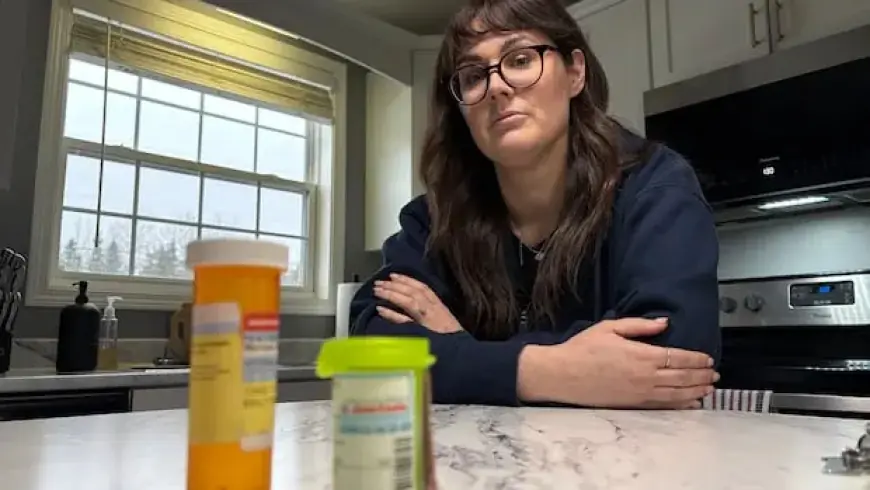
Marissa Dawson’s visit to Shoppers Drug Mart turned into a health crisis when a prescription error sent her to the emergency room months later. Dawson, a resident of Moncton, New Brunswick, was prescribed hydroxyzine to combat her chronic eczema. Instead, she received hydralazine, a medication intended for blood pressure management.
It all began in October 2024. After picking up the wrong medication, Dawson began experiencing troubling symptoms. She felt dizzy, lethargic, and struggled to breathe. By April, her condition worsened, prompting her mother to take her to the emergency room. It was there that medical staff determined she had been taking the incorrect medication for months, leading to her alarming symptoms.
Medication Mix-Ups in Canada
Dawson’s experience highlights a concerning trend. Thousands of Canadians are affected by medication mix-ups annually. Jennifer Lake, a pharmacy education researcher at the University of Toronto, refers to the “Swiss cheese model” of medication safety, which illustrates gaps in protection that can pose significant risks to patients.
Statistics on Medication Errors
- Over 800 million prescriptions are filled in Canada each year.
- 26,000 medication incidents reported in 2024.
- Only six provinces currently submit data to the national tracking system.
These figures reveal a complex issue. Even when pharmacy errors are reported, the statistics may not capture the full scope of the problem. For instance, in 2024, only 1,700 of the approximately 12,000 licensed pharmacies in Canada submitted data to the National Incident Data Repository.
Spotlight on System Failures
Melissa Sheldrick, an advocate for medication safety, underscores the critical need for systemic changes. In 2016, Sheldrick’s son died due to a medication error, which only reinforced her resolve to improve safety standards in pharmacies. The current system’s complexity—from doctors to virtual care providers—accentuates the risk of mistakes.
New Brunswick’s Response
After filing a complaint with the New Brunswick College of Pharmacists, Dawson learned her pharmacy had acknowledged the error. The college’s investigation indicated that a combination of staff fatigue and a mix-up of drug names significantly contributed to the mistake. Additionally, a failure to provide counselling at the time of pickup was a critical oversight.
Measures for Prevention
In response to the complaint, the pharmacy has since implemented several measures, including:
- Reinforcing procedures at prescription pickups.
- Conducting monthly audits for one year.
- Training staff on commonly confused drug names.
Loblaw, the parent company of Shoppers Drug Mart, accepted responsibility for the error and stated that better processes are in place to prevent such mistakes in the future.
Implications for Patients
Both Dawson and Sheldrick stress the importance of patient involvement in medication safety. Patients are encouraged to:
- Request counselling when receiving new prescriptions.
- Verify medications before leaving the pharmacy.
- Maintain an updated list of all medications.
Dawson’s tragic experience has altered her approach to prescriptions. She now double-checks every detail to ensure her safety.
The system must improve to protect patients better. Regulatory measures, clearer drug labeling, and effective error reporting systems can collectively decrease the incidence of medication errors across Canada. As the healthcare landscape evolves, prioritizing patient safety remains paramount.